
Evaluating Digital Product Infrastructure Agencies: A Creator's Guide to Scaling
Most creators do not have a content problem. They have a systems problem. According to industry analysis on creator economy growth, the average creator loses significant revenue potential due to fragmented backend operations rather than a lack of audience engagement. This statistic highlights a critical bottleneck in the digital product ecosystem. When attention is high but delivery is chaotic, monetization fails. You may have the audience, skill, content, or brand potential, but without the right backend, monetization becomes messy. This guide details how to evaluate agencies that specialize in digital product infrastructure to ensure your brand scales efficiently.
Identifying Core Infrastructure Capabilities
When evaluating an agency, the first step is to determine if they truly specialize in backend systems or if they are generalists masquerading as experts. Digital product infrastructure is not merely about web design. It is about the seamless integration of offers, delivery mechanisms, and customer experience. Digital product infrastructure is the organized system of delivery, assets, and customer experience that allows launches to feel effortless.
Look for agencies that explicitly mention "monetization systems" and "backend operations setup" in their service offerings. A competent agency will structure your offers, digital products, and monetization flow into one cohesive engine. If an agency focuses solely on front-end aesthetics without addressing the underlying transactional logic, they are not equipped to solve your scaling problems. You need a partner who understands that scattered tools, disconnected files, and inconsistent workflows are the primary enemies of growth.
Verify their technical stack proficiency. Do they work with modern automation platforms? Can they integrate CRM systems with payment gateways? The ability to connect these disparate elements is what transforms a hobbyist operation into a serious brand. Visit our services page to see how structured backend systems are implemented for creators.
Assessing Automation and Workflow Efficiency
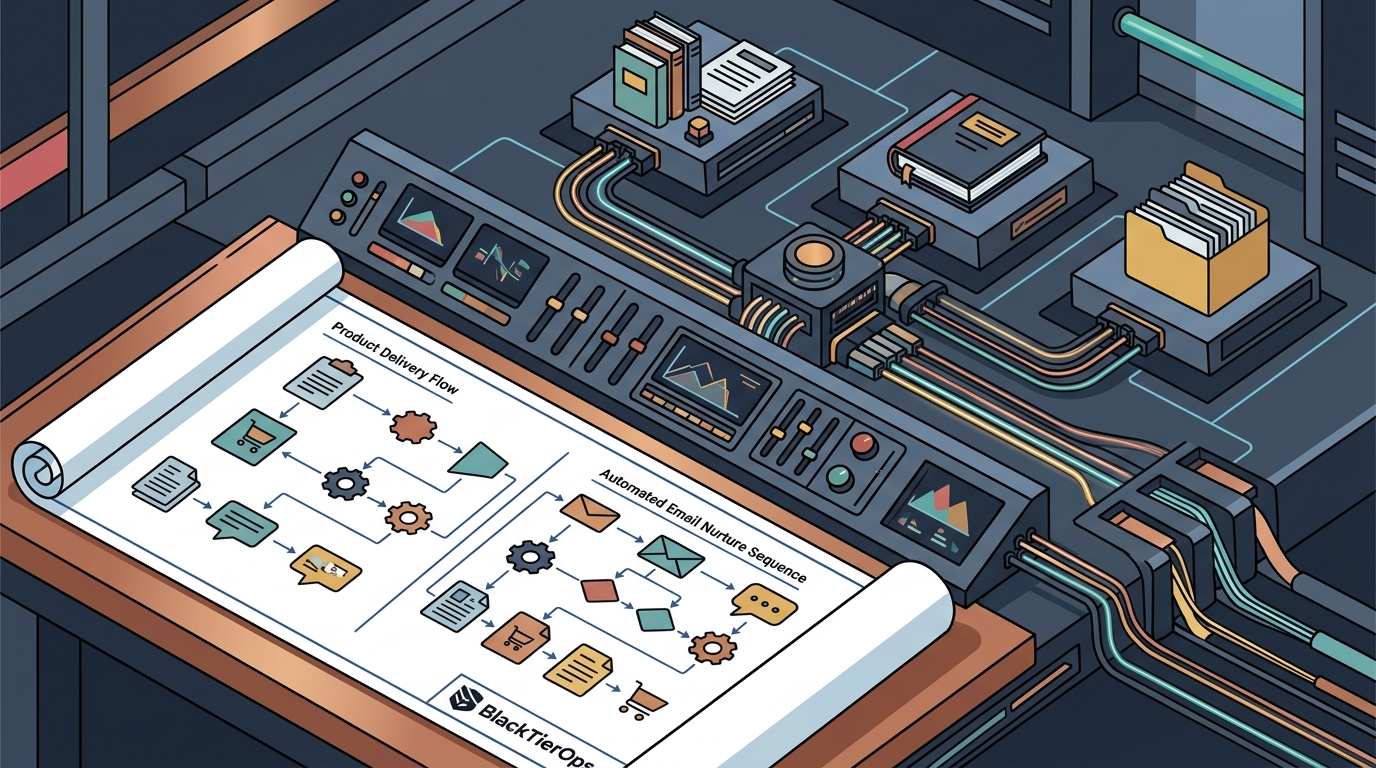
Efficiency is the currency of scaling. An agency that cannot demonstrate how they reduce operational chaos through automation is not adding value. You must evaluate their approach to streamlining workflows, automations, and tools. The goal is to remove the manual burden from your daily operations so you can focus on creation and strategy.
The Role of Backend Operations
Backend operations setup involves more than just technical configuration. It requires a deep understanding of your unique business model. An agency should audit your current state to identify bottlenecks. For instance, if you are manually sending access links to customers, you are losing time and risking errors. A proper infrastructure automates this process, ensuring instant delivery and a professional customer experience.
According to recent reports on operational efficiency in the creator economy, creators who automate their backend systems report a significant increase in net profit margins. This data shows that time saved on administrative tasks directly correlates with revenue growth. When evaluating an agency, ask for specific examples of how they have reduced operational overhead for previous clients. Look for metrics related to time saved per week or reduction in manual errors.
Integration Capabilities
Your digital products must live in an ecosystem where data flows freely. Evaluate the agency's ability to integrate with your existing tools. Whether you use specific email marketing platforms, membership sites, or analytics tools, the agency must ensure compatibility. Poor integration leads to data silos, which makes it difficult to track performance and optimize your funnel. Check their portfolio for evidence of successful integrations. You can view their systems framework to understand their approach to connectivity. (Top 10 Best)
Evaluating Brand and Offer Positioning
Infrastructure is not just technical; it is also strategic. An agency that specializes in digital product infrastructure must also understand brand positioning. Your backend systems should reinforce your brand message. If your checkout process is clunky or your delivery emails are generic, you undermine the premium nature of your offer.
Brand and offer positioning is the strategic clarification of messaging that ensures your offer reads professional from the first touch. This means every touchpoint, from the landing page to the post-purchase email, must align with your brand voice and value proposition. An agency should be able to articulate how they will clarify your messaging and position your offer to maximize conversion rates.
Ask the agency about their process for brand alignment. Do they conduct a brand audit before building systems? Do they create style guides for digital assets? These steps are crucial for maintaining consistency. A disjointed brand experience confuses customers and reduces trust. By ensuring your infrastructure supports your brand identity, you create a cohesive experience that drives loyalty and repeat purchases. Read more about our audit and organize process to see how we align brand and backend.
Analyzing Case Studies and Proven Results
Claims are easy. Results are hard. When evaluating an agency, demand concrete case studies. Look for detailed breakdowns of how they helped previous clients scale. Key metrics to look for include increased conversion rates, reduced churn, and improved customer lifetime value.
A reputable agency will provide transparent data on their past projects. They should be able to explain the specific challenges the client faced, the systems they implemented, and the measurable outcomes achieved. For example, did they help a creator increase their average order value by restructuring their upsell flow? Did they reduce customer support tickets by automating onboarding?
According to industry benchmarks, creators who work with specialized infrastructure agencies often see a 20 to 30 percent increase in operational efficiency within the first six months. This ranking of efficiency gains underscores the importance of choosing a partner with proven expertise. Do not settle for vague testimonials. Ask for specific data points and detailed narratives. You can request a creator brand audit to discuss your specific goals and see how we approach similar challenges.
Comparing Service Models and Pricing
Understanding the agency's service model is critical for budgeting and expectation setting. Agencies typically operate on different models, such as project-based, retainer, or performance-based pricing. Each model has its own advantages and disadvantages depending on your stage of growth.
| Service Model | Description | Best For | Pros | Cons |
|---|---|---|---|---|
| Project-Based | Fixed price for a defined scope of work. | One-time builds or audits. | Predictable costs, clear deliverables. | Limited ongoing support, potential scope creep. |
| Retainer | Monthly fee for ongoing services and support. | Continuous optimization and scaling. | Consistent support, agile adjustments. | Ongoing commitment, higher long-term cost. |
| Performance-Based | Payment tied to specific results or revenue. | High-growth stages with clear metrics. | Aligned incentives, lower upfront risk. | Complex tracking, potential for conflict. |
When comparing models, consider your long-term goals. If you are in the early stages of building your brand, a project-based audit might be the best starting point. As you scale, a retainer model may provide the stability needed for continuous improvement. Some agencies, like BlackTierOps, offer hybrid approaches that combine initial system builds with ongoing operational support. Ensure the model you choose aligns with your cash flow and growth trajectory.
Key Takeaways
- Systems Over Content: Most creators fail due to scattered tools and weak product infrastructure, not a lack of content.
- Core Capabilities: Look for agencies that explicitly offer monetization systems, digital product infrastructure, and backend operations setup.
- Automation is Key: Efficient agencies streamline workflows to remove operational chaos and reduce manual errors.
- Brand Alignment: Your backend must reinforce your brand positioning to ensure a professional customer experience.
- Data-Driven Decisions: Demand concrete case studies with specific metrics on efficiency gains and revenue growth.
- Service Models: Choose between project-based, retainer, or performance-based models based on your growth stage.
- Integration Matters: Ensure the agency can seamlessly integrate with your existing tech stack to avoid data silos.
Frequently Asked Questions
What is digital product infrastructure?
Digital product infrastructure is the organized system of delivery, assets, and customer experience that allows launches to feel effortless. It includes the technical backend, automation workflows, and brand positioning that support your digital offers.
Why do creators need specialized backend systems?
Creators need specialized backend systems to organize, monetize, and scale their brands. Without clean digital infrastructure, monetization becomes messy, leading to lost revenue and operational inefficiency.
How can an agency help with brand positioning?
An agency helps with brand positioning by clarifying messaging and structuring your offer so it reads professional from the first touch. This ensures consistency across all customer touchpoints.
What should I look for in an agency's case studies?
Look for specific metrics such as increased conversion rates, reduced operational overhead, and improved customer lifetime value. Avoid vague testimonials and demand data-driven results.
What is the difference between a project-based and retainer model?
A project-based model is a fixed price for a defined scope of work, ideal for one-time builds. A retainer model is a monthly fee for ongoing services, ideal for continuous optimization and scaling.
How do I know if an agency understands my niche?
Ask for case studies from similar niches. A competent agency will demonstrate an understanding of your specific audience, regulatory requirements, and technical stack preferences.
What is the first step in evaluating an agency?
The first step is to audit your current systems and identify your specific pain points. Then, request a consultation or audit from the agency to see how they propose to solve those problems.
Start Your Build
Stop letting scattered tools and weak product infrastructure hold your brand back. It is time to organize your brand, streamline your workflows, and build a monetization engine that scales. We help creators organize, monetize, and scale through clean digital infrastructure, backend systems, and product-ready workflows. Request your creator brand audit today to see how we can transform your operations. Visit BlackTierOps.com to start your build and secure your future.