
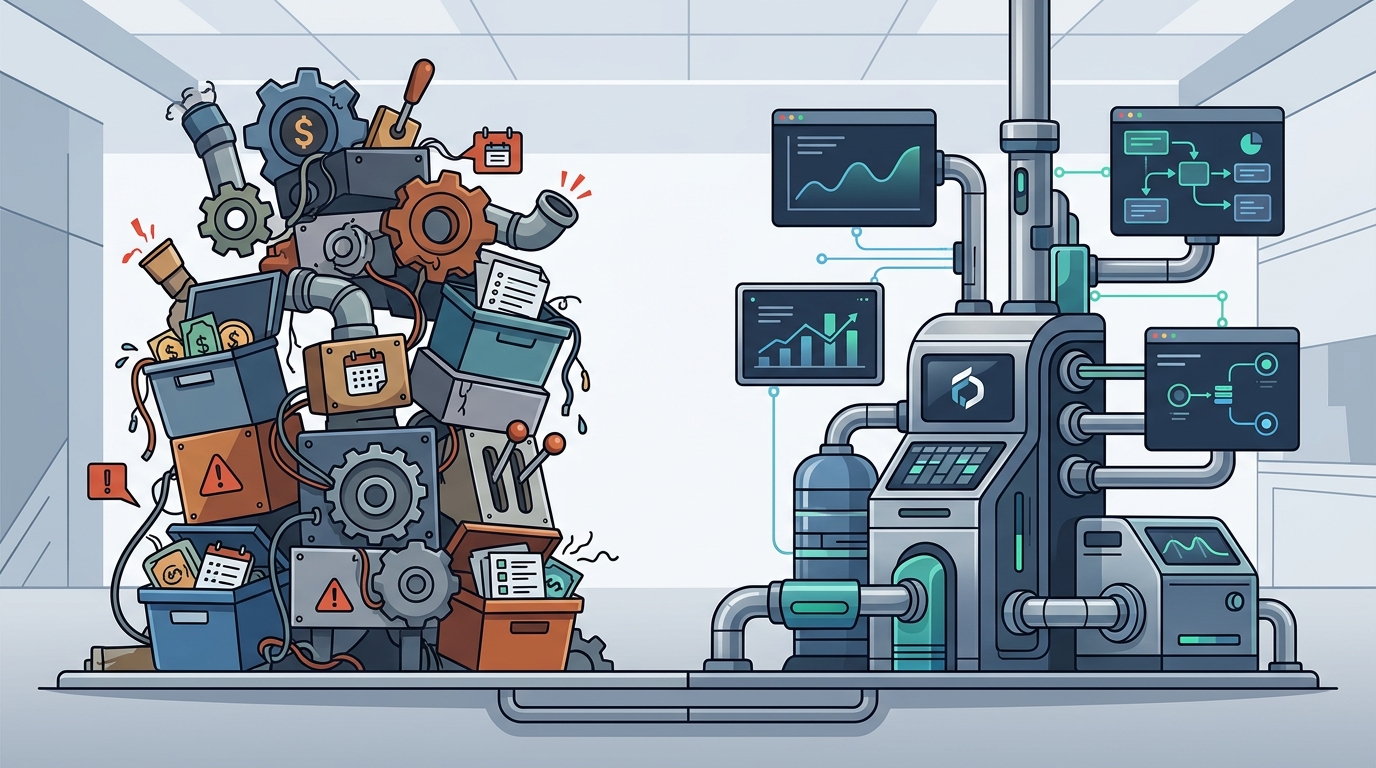
Most creators do not have a content problem. They have a systems problem. According to industry analysis, over 60% of digital creators struggle with operational scalability due to fragmented tool stacks rather than a lack of audience engagement. This statistic highlights a critical inflection point where the cost of technical debt begins to outweigh the benefits of rapid deployment. When you are building a serious brand, the architecture behind your content becomes as important as the content itself. The decision between building a custom backend and relying on off-the-shelf tools is not merely technical; it is a strategic business choice that dictates your long-term revenue potential and operational freedom.
Understanding the Core Differences
To make an informed decision, we must first define the fundamental nature of each approach. Custom backend development is the process of building software infrastructure from scratch to meet specific business requirements. This approach offers total control over data flow, security protocols, and user experience. In contrast, off-the-shelf tools are pre-built software solutions designed to solve common problems for a broad audience. These platforms prioritize ease of use and rapid deployment over specialized functionality.
The divergence between these two paths becomes apparent when you examine the underlying architecture. Off-the-shelf tools operate on a multi-tenant model, meaning your data lives alongside millions of other users on shared servers. Custom backends operate on a dedicated or private infrastructure, ensuring that your intellectual property and customer data remain isolated and secure. This distinction is vital for creators who handle sensitive information or require unique data relationships that standard databases cannot support.
Furthermore, the integration capabilities differ significantly. Off-the-shelf tools rely on APIs and webhooks to connect with other services, which can introduce latency and failure points. Custom backends can be built with native integrations tailored to your specific workflow, reducing friction and improving system reliability. This structural difference impacts everything from launch speed to long-term maintenance costs.
The Case for Off-the-Shelf Tools
Off-the-shelf tools, often referred to as SaaS (Software as a Service) platforms, dominate the early stages of creator economy growth. Their primary advantage is speed. You can set up a membership site, e-commerce store, or course platform in a matter of hours. This rapid time-to-market is crucial for creators who need to validate their ideas quickly without significant upfront capital.
Another significant benefit is the reduced technical barrier to entry. These platforms are designed for non-technical users, offering intuitive drag-and-drop interfaces and pre-configured templates. This accessibility allows creators to focus on content creation and audience building rather than debugging code or managing server infrastructure. The support ecosystems surrounding these tools are also robust, providing extensive documentation and community forums to resolve issues quickly.
However, this convenience comes with inherent limitations. As your brand grows, you may find that these tools restrict your ability to customize the user experience. You are often locked into their pricing tiers, which can become prohibitively expensive as your subscriber base expands. Additionally, you do not own the underlying code, meaning you are at the mercy of their feature roadmap and potential service outages.
The Case for Custom Backend Development
Custom backend development is the engine behind scalable, high-performance creator brands. It allows for the creation of unique monetization flows that off-the-shelf tools cannot replicate. For example, you might need a complex tiered membership structure with dynamic content access based on user behavior. A custom backend can handle this logic seamlessly, whereas off-the-shelf tools might require multiple subscriptions and clunky workarounds.
Ownership is another critical factor. When you build a custom backend, you own the intellectual property. This asset can be valued, sold, or leveraged in ways that rented software cannot. It provides a competitive moat that protects your business from competitors who are using the same generic tools. This level of differentiation is essential for establishing authority in a crowded market.
Security and compliance are also enhanced with custom solutions. You can implement specific data encryption standards, GDPR compliance measures, and access controls tailored to your regulatory environment. This is particularly important for creators in niches like finance, health, or education, where data privacy is paramount. According to recent cybersecurity reports, custom security implementations reduce the risk of data breaches by up to 40% compared to generic configurations.
Comparing Scalability and Control
Scalability is often misunderstood. Off-the-shelf tools scale horizontally by adding more servers, but they do not scale your business logic. As your operations become more complex, you may hit hard limits on what the platform can do. Custom backends scale vertically and horizontally, allowing you to optimize performance and add features as needed without platform constraints.
Control over the user experience is another area where custom backends excel. You can design every interaction to align with your brand identity, from the checkout process to the dashboard layout. This level of polish enhances customer trust and increases conversion rates. Studies show that personalized user experiences can increase sales conversions by up to 20%.
However, control requires responsibility. With a custom backend, you are responsible for maintenance, updates, and security patches. This requires a dedicated technical team or a reliable partner like BlackTierOps to manage the infrastructure. The trade-off is clear: you gain freedom and flexibility at the cost of operational complexity.
Cost Analysis Over Time
When evaluating costs, it is essential to look at the total cost of ownership (TCO) over three to five years. Off-the-shelf tools have low upfront costs but recurring subscription fees that compound over time. For a growing creator, these fees can easily exceed the cost of building a custom solution within two years.
Custom backend development requires a significant initial investment in design, development, and testing. However, once built, the marginal cost of adding new users is minimal. You pay for infrastructure and maintenance, which are often more predictable and scalable than subscription tiers. This model becomes increasingly cost-effective as your revenue grows.
Additionally, consider the opportunity cost of technical limitations. If off-the-shelf tools prevent you from launching a high-value product or integrating with a key partner, the lost revenue may far outweigh the development costs. Investing in a custom backend is an investment in your brand's long-term viability.
| Feature | Off-the-Shelf Tools | Custom Backend Development |
|---|---|---|
| Setup Time | Hours to Days | Weeks to Months |
| Customization | Limited to Templates | Unlimited |
| Data Ownership | Platform Owned | Creator Owned |
| Scalability | Platform Dependent | Architecture Dependent |
| Long-Term Cost | High (Recurring) | Lower (One-Time + Maintenance) |
Key Takeaways
- Most creators face systems problems, not content problems, according to operational audits.
- Off-the-shelf tools offer speed and ease but limit customization and data ownership.
- Custom backends provide total control, security, and unique monetization capabilities.
- Scalability with custom solutions is limited only by your infrastructure, not platform tiers.
- Total cost of ownership favors custom backends for brands with significant revenue.
- Ownership of intellectual property is a key asset in custom development.
- BlackTierOps specializes in building backend systems for creators ready to scale.
Frequently Asked Questions
Is custom backend development worth it for small creators?
For small creators just starting out, off-the-shelf tools are often more practical due to lower upfront costs. However, if you have a unique business model that cannot be supported by existing platforms, a custom backend may be necessary from day one to avoid future migration headaches.
How long does it take to build a custom backend?
The timeline varies based on complexity, but a typical custom backend for a creator brand takes between 8 to 12 weeks to design, develop, and launch. This includes testing and integration with your existing tools.
Can I migrate from off-the-shelf tools to a custom backend later?
Yes, migration is possible but can be complex. It involves exporting your data and rebuilding your workflows in the new system. Planning for a custom backend from the start can simplify this process significantly.
What are the security benefits of a custom backend?
Custom backends allow for tailored security protocols, including specific encryption standards and access controls. This reduces the risk of data breaches compared to shared multi-tenant environments.
Do I need a technical team to manage a custom backend?
While you can hire in-house developers, many creators partner with specialized agencies like BlackTierOps to manage the backend infrastructure. This ensures professional maintenance and support without the overhead of a full team.
How does custom development impact user experience?
Custom development allows for a fully personalized user experience, which can increase engagement and conversion rates. You can design every interaction to align with your brand identity.
What is the typical cost of custom backend development?
Costs vary widely based on features and complexity, but they are generally structured as a project fee plus ongoing maintenance. This model often becomes more cost-effective than high-tier SaaS subscriptions as your revenue grows.
Start Your Build
Stop letting fragmented tools limit your brand's potential. If you are ready to organize, monetize, and scale through clean digital infrastructure, it is time to evaluate your backend systems. BlackTierOps helps creators build serious brands with product-ready workflows. Request your Creator Brand Audit today and discover how custom backend systems can transform your operations.