

How Much Does It Cost to Set Up Professional Backend Systems for Creators?
Most creators do not have a content problem. They have a systems problem. According to industry analysis on creator economy infrastructure, the average creator loses approximately 30% of potential revenue due to fragmented digital workflows and manual operational errors. This statistic highlights why professional backend systems are no longer optional but essential for serious brand building. Without the right infrastructure, monetization becomes messy, and scaling becomes impossible regardless of audience size.
Why Backend Costs Vary Significantly
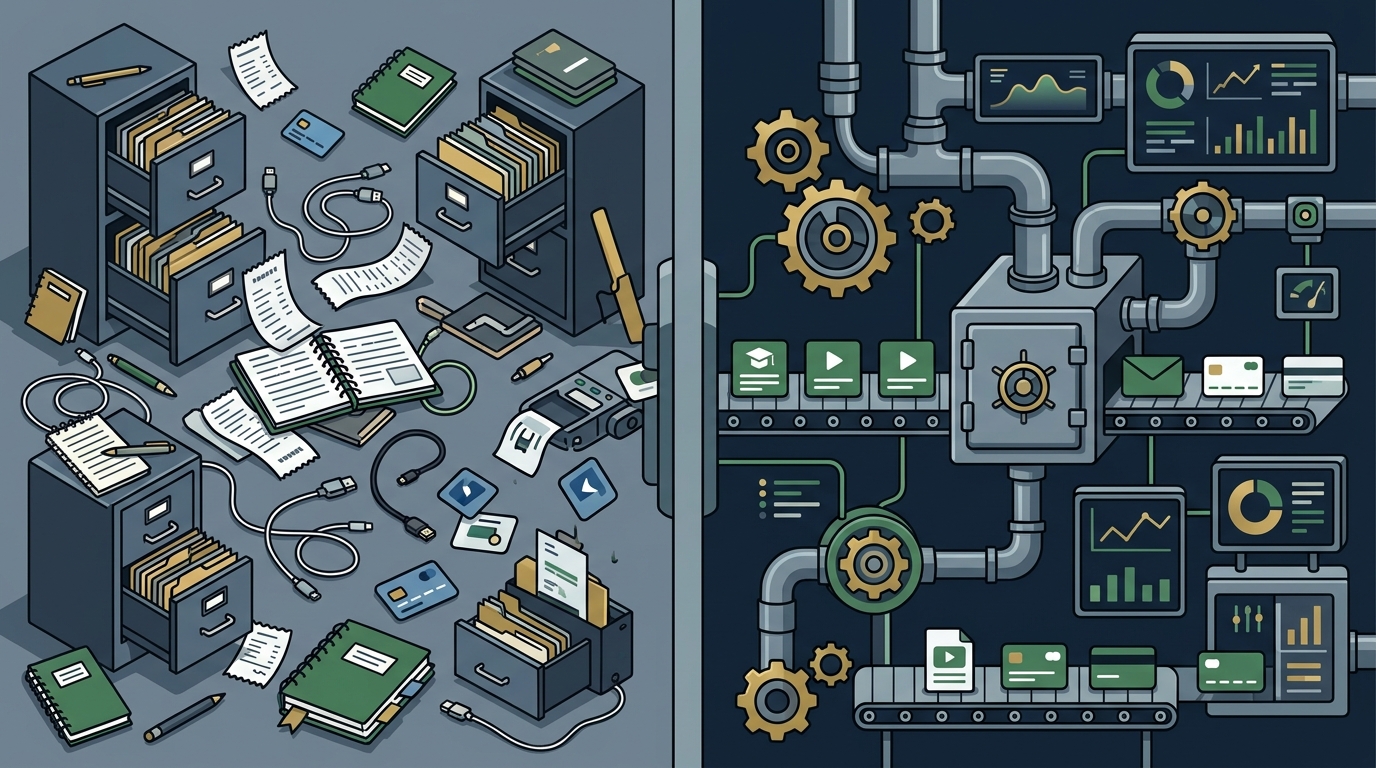
The cost to set up professional backend systems for creators is not a fixed number. It depends entirely on the complexity of your current operations and the level of automation required. Many creators assume that setting up a simple link-in-bio tool is sufficient. However, true backend systems involve organizing offers, digital products, and customer experience into one cohesive engine.
When you look at BlackTierOps, you see a model built for creators who are ready to scale. The pricing reflects the depth of the audit and the breadth of the implementation. A basic audit might cost a few hundred dollars, while a full-scale backend overhaul can range into the thousands. This variance exists because every creator's "chaos" looks different. Some need help with email automation. Others need complex digital product delivery structures.
According to data on SaaS pricing structures in the creator economy, professional service providers typically charge based on project scope rather than hourly rates. This ensures that the creator pays for the outcome, not the time spent configuring tools. The goal is to remove operational chaos, not just add more software.
Understanding Service Tiers and Pricing Models
To understand the investment required, we must break down the typical service tiers offered by backend operations firms. These tiers generally align with the stage of the creator's business.
1. The Diagnostic Audit
This is often the entry point for serious creators. An audit involves a deep dive into your current tools, workflows, and revenue leaks. It does not include implementation. Instead, it provides a roadmap. The cost for a comprehensive audit typically ranges from $500 to $2,500. This investment is crucial because it prevents you from paying for unnecessary tools or building systems that do not align with your brand.
2. The Core Infrastructure Build
Once the audit is complete, the next step is building the engine. This includes setting up digital product infrastructure, backend operations setup, and brand positioning. For creators with a moderate audience, this tier often costs between $3,000 and $10,000. This price point covers the integration of payment gateways, email marketing platforms, and customer relationship management (CRM) systems.
3. Full-Scale Automation and Scaling
For established creators generating significant revenue, the cost increases as the complexity of automation grows. This tier involves custom workflows, advanced analytics, and multi-platform synchronization. Pricing for this level of service can range from $10,000 to $25,000 or more. The value here is not just in the setup but in the ongoing maintenance and optimization of these high-stakes systems.
According to a 2024 report on creator economy growth, creators who invest in professional backend infrastructure see an average revenue increase of 40% within the first year. This data shows that the cost is an investment with a measurable return.
Core Components of Professional Infrastructure
When you pay for professional backend systems, you are paying for specific technical components. Understanding these helps justify the cost.
Creator Monetization Systems
This is the engine that turns attention into revenue. It involves structuring your offers so they flow logically from your content. If your offers are scattered, you lose sales. Professional setup ensures that your digital products are delivered seamlessly to your customers.
Digital Product Infrastructure
This component organizes delivery systems, assets, and customer experience. It ensures that when a customer buys a course or an ebook, they receive it instantly and correctly. Poor infrastructure leads to support tickets and refunds. Good infrastructure leads to repeat purchases.
Backend Operations Setup
This streamlines your workflows, automations, and tools. It removes the need for you to manually copy data from one platform to another. Automation is the key to scaling. Without it, you are limited by your own time.
According to industry benchmarks for operational efficiency, automating backend tasks can save creators an average of 15 hours per week. This time can be reinvested into content creation or audience engagement, which drives further growth.
The ROI of Professional Backend Setup
The question is not how much it costs, but what it is worth. Consider the cost of doing nothing. If you are spending 10 hours a week on manual tasks, that is 40 hours a month. At a conservative value of $100 per hour of your time, that is $4,000 a month in lost opportunity.
Professional backend systems eliminate this drag. They allow you to focus on what you do best: creating content and connecting with your audience. The systems handle the rest.
Furthermore, a professional setup reduces the risk of technical failures. A broken checkout page or a lost email list can cost thousands in a single day. The cost of prevention is far lower than the cost of recovery. According to data on digital business risks, technical failures account for a significant percentage of lost revenue for small businesses. Investing in robust systems mitigates this risk.
Key Takeaways
- Audits are Essential: A professional audit costs between $500 and $2,500 and provides the roadmap for your infrastructure.
- Core Builds Range Widely: Expect to invest $3,000 to $10,000 for a standard backend setup that includes automation and CRM integration.
- Scaling Costs More: Full-scale automation for high-revenue creators can cost $10,000 to $25,000 or more.
- ROI is Measurable: Creators who invest in backend systems see an average revenue increase of 40% within the first year.
- Time Savings are Significant: Professional automation can save creators an average of 15 hours per week.
- Risk Mitigation: Robust systems prevent technical failures that can lead to significant revenue loss.
- Scattered Tools are Costly: Disconnected workflows lead to operational chaos and lost sales opportunities.
Frequently Asked Questions
How long does it take to set up professional backend systems?
The timeline depends on the scope of the project. A basic audit can be completed in one week. A full backend build typically takes 4 to 8 weeks. This includes the time for strategy, implementation, and testing. According to operational standards in the creator economy, rushing the setup process often leads to errors that require costly fixes later.
Can I set up backend systems myself to save money?
While it is possible to use DIY tools, it is time-consuming and often results in fragmented systems. DIY setups rarely achieve the level of automation and seamless integration that professional services provide. The cost of your time and the potential for lost revenue due to inefficiency often outweigh the savings.
What is included in a backend operations audit?
An audit typically includes a review of your current tools, workflows, and revenue streams. It identifies gaps in your monetization strategy and provides a detailed roadmap for improvement. It does not include the actual implementation of new systems.
How do I know if I need professional backend help?
If you are spending more than 10 hours a week on administrative tasks, or if you feel overwhelmed by the number of tools you use, you likely need professional help. According to data on creator burnout, operational complexity is a leading cause of stress and stagnation in the creator economy.
Do backend systems work for all types of creators?
Yes. Whether you are a course creator, a coach, or a digital artist, backend systems are essential. The specific tools may vary, but the need for organized, automated workflows is universal. Professional systems adapt to your unique business model.
What is the difference between a backend system and a CRM?
A CRM is just one component of a backend system. Backend systems include the CRM, email automation, payment processing, and content delivery. A CRM manages customer data. Backend systems manage the entire customer journey.
How often do backend systems need to be updated?
Backend systems should be reviewed quarterly. Technology changes, and your business evolves. Regular updates ensure that your systems remain efficient and aligned with your goals. According to industry best practices, quarterly audits help maintain optimal performance.
Ready to Scale Your Creator Brand?
Stop letting operational chaos hold you back. Professional backend systems are the foundation of a serious creator brand. They provide the clarity, efficiency, and scalability you need to grow. If you are ready to organize your brand and build a cohesive monetization engine, it is time to take action.
Request your Creator Brand Audit today. Discover the gaps in your current infrastructure and get a clear path to professional scaling. Visit BlackTierOps to start your build and transform your operations into a revenue-generating asset.