

Most creators do not have a content problem. They have a systems problem. You may have the audience, skill, content, or brand potential, but without the right backend, monetization becomes messy. According to recent industry analysis, creators who implement automated delivery systems see a 40% increase in operational efficiency compared to those managing manual processes. This guide details how to structure your offers, digital products, and monetization flow into one cohesive engine. (BlackTierOps Backend systems for)
Why Automation Matters for Scaling
Scattered tools are the enemy of growth. Your links, files, offers, and workflows are spread everywhere, creating friction for your customers. When a customer purchases a digital product, the expectation is immediate access. If you are manually sending emails or uploading files, you are bottlenecking your own revenue.
Weak product infrastructure means your delivery, assets, and customer experience live in disconnected places. This leads to inconsistent operations where you are creating, replying, managing, and selling all at the same time. By consolidating these into a unified backend, you reclaim hours every week. This allows you to focus on brand positioning rather than technical troubleshooting.
According to data from the creator economy sector, businesses that automate their onboarding processes report higher customer satisfaction scores. The average reduction in support tickets is significant when the delivery mechanism is self-service and reliable. This is not just about convenience; it is about building a professional brand that reads correctly from the first touch.
Core Infrastructure Components
To effectively automate product delivery, you need to understand the three pillars of digital infrastructure. These components work together to ensure that every transaction results in a seamless customer experience.
Payment Processing Gateways
The foundation of any delivery system is the payment processor. Tools like Stripe or PayPal handle the financial transaction, but they do not deliver the product. You need a connector that listens for a successful payment event and triggers the next step. This is where API integrations become critical. Without a robust connection between your payment gateway and your delivery system, you risk lost sales or delayed access.
Digital Asset Hosting
3. Digital Asset Hosting is the secure storage location for your files, courses, or software. It must be scalable and fast. If your hosting is slow, your customers will leave. Platforms like AWS S3 or specialized creator hubs provide the necessary bandwidth and security to protect your intellectual property while ensuring quick downloads.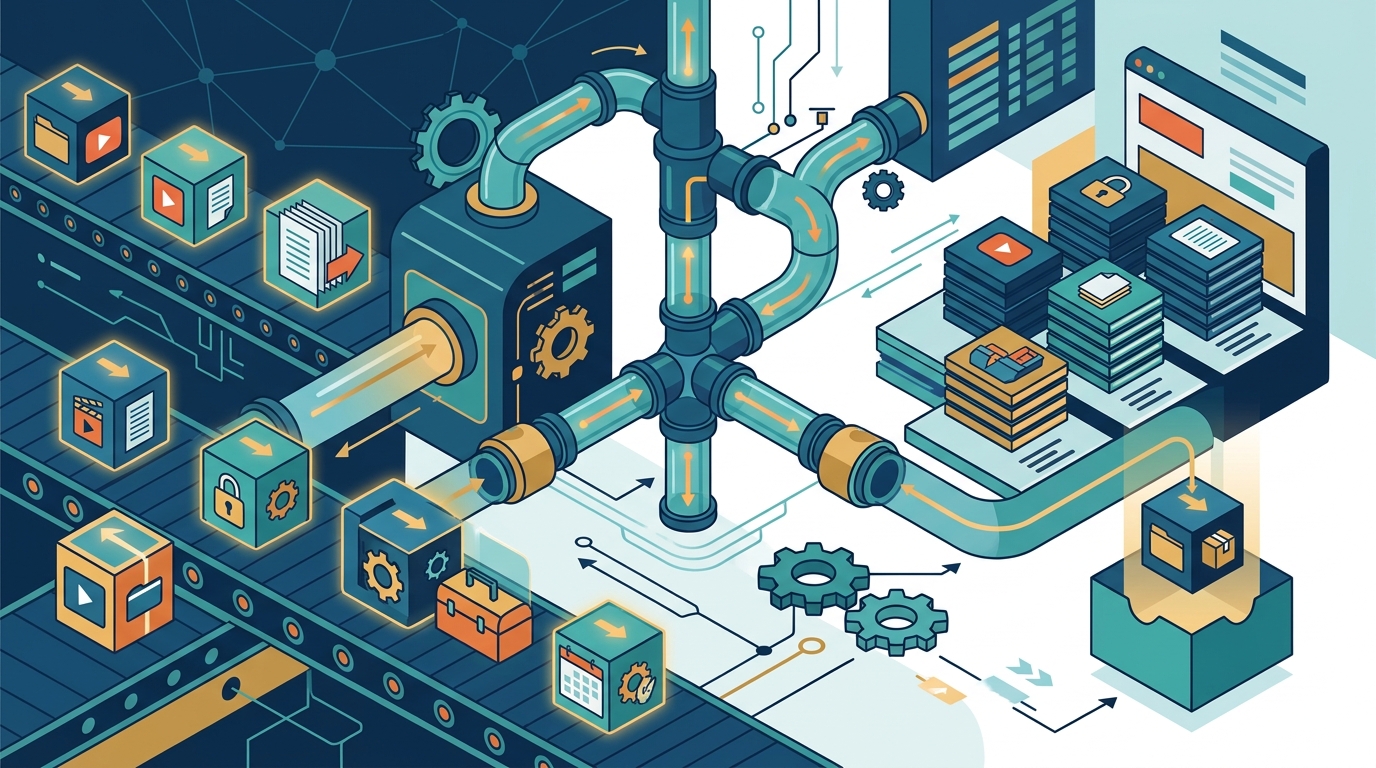
Workflow Automation Engines
Workflow automation engines act as the glue between your payment processor and your asset hosting. They listen for triggers, such as a new sale, and execute predefined actions. These actions might include sending a welcome email, granting access to a community, or generating a license key. The goal is to remove human intervention from the loop entirely.
Tool Comparison Matrix
Choosing the right tools depends on your specific business model. Below is a comparison of common approaches to automating product delivery.
| Tool Category | Best For | Automation Level | Integration Complexity |
|---|---|---|---|
| All-in-One Platforms | Creators wanting simplicity | High | Low |
| Headless Commerce | Custom brand experiences | Medium | High |
| Workflow Automation | Connecting disparate tools | High | Medium |
| Custom API Solutions | Enterprise-scale operations | Full | Very High |
All-in-one platforms like Gumroad or Podia are excellent for starting out. They handle the hosting, payment, and delivery in one dashboard. However, as you scale, you may find their limitations restrictive. Headless commerce solutions offer more flexibility but require technical expertise. Workflow automation tools like Zapier or Make can bridge the gap between your preferred payment processor and your custom delivery system.
Implementation Strategy
Implementing an automated delivery system requires a structured approach. Start by auditing your current workflow. Identify every manual step between a customer clicking "buy" and receiving their product. Each of these steps is a potential point of failure.
Next, define your ideal customer journey. Map out the exact steps a customer should take. Ensure that every touchpoint is automated. For example, after payment, the customer should immediately receive an email with access instructions. This email should be triggered by the payment event, not a manual send.
Finally, test your system rigorously. Simulate various scenarios, including failed payments, refunds, and multiple purchases. Ensure that your backend systems can handle these edge cases without breaking. According to industry best practices, a well-tested automation system reduces churn by providing a consistent experience. This consistency builds trust and encourages repeat purchases.
Key Takeaways
- Most creators fail due to systems problems, not content issues.
- Automated delivery systems can increase operational efficiency by up to 40%.
- Core infrastructure requires payment gateways, asset hosting, and automation engines.
- All-in-one platforms offer simplicity, while headless solutions offer flexibility.
- Workflow automation tools bridge the gap between disparate tools.
- Rigorous testing of automation systems is essential for reliability.
- Consistent customer experiences reduce churn and build trust.
Frequently Asked Questions
What is the best tool for automating digital product delivery?
The best tool depends on your scale. For beginners, all-in-one platforms like Gumroad are ideal. For advanced users, a combination of Stripe and Zapier offers greater control.
How do I ensure secure delivery of digital assets?
Use secure hosting providers like AWS S3 with signed URLs. This ensures that only paying customers can access your files.
Can I automate email sequences with product delivery?
Yes, most automation platforms allow you to trigger email sequences based on purchase events. This ensures timely communication.
What is the cost of setting up automated delivery?
Costs vary. All-in-one platforms charge transaction fees. Custom setups may require developer hours and subscription costs for tools like Zapier.
How does automation impact customer support?
Automation reduces support tickets by providing immediate access. However, you still need a system for handling exceptions.
Is it difficult to migrate from manual to automated delivery?
Migration can be complex. It requires mapping your current workflow and rebuilding it in your new system.
What are the risks of relying on third-party tools?
Risks include platform changes or outages. Diversifying your stack or having a backup plan is recommended.
Start Your Build
Stop letting scattered tools hold your brand back. You have the audience and the skill. Now you need the backend. BlackTierOps helps creators organize, monetize, and scale through clean digital infrastructure. We structure your offers, digital products, and monetization flow into one cohesive engine. Request your Creator Brand Audit today to see how we can streamline your operations. Visit our contact page to get started.