

Most creators do not struggle with content creation; they struggle with backend infrastructure. According to recent industry analysis, over 60% of digital product revenue is lost to operational friction during the delivery phase. When your audience clicks "buy," the experience must be seamless. If the delivery is delayed, confusing, or manual, you lose trust and future revenue. This guide details the exact systems and tools required to automate your product delivery process effectively, ensuring your brand scales without burning you out. (BlackTierOps Backend systems for)
Why Automation Is Critical for Creators
Product delivery is not just about sending a file. It is about customer experience, security, and scalability. Manual delivery methods, such as emailing PDFs or sharing Google Drive links, are prone to human error. They also lack the professional polish that serious brands require.
Automation eliminates the gap between payment and access. When a transaction occurs, the system should immediately trigger the delivery sequence. This includes sending confirmation emails, granting portal access, and tagging the customer in your CRM. Without this, you are trading your time for low-leverage tasks.
According to data from Forbes on digital product trends, creators who automate their backend operations see a 40% increase in customer retention due to consistent and reliable service. This reliability builds the authority necessary to raise prices and expand your offer.
Core Tools for Digital Delivery
To build a robust delivery system, you need specialized software designed for digital assets. These tools handle the heavy lifting of file storage, secure access, and customer management.
1. Dedicated Digital Product Platforms
Platforms like Gumroad, Lemon Squeezy, or Podia are designed specifically for creators. They handle tax compliance, file hosting, and instant delivery. These are ideal for single-product launches or simple digital downloads.
Key Feature: Instant access upon payment. The customer never waits for an email. They receive a secure link or portal access immediately.
2. Membership and Community Platforms
If your product includes ongoing content, courses, or community access, you need a membership platform. Tools like Kajabi, Memberful, or Circle.so allow you to gate content behind a login. This transforms a one-time purchase into a recurring revenue stream.
According to research from Statista on digital media growth, the online course and membership market is projected to grow significantly through 2026, making reliable delivery infrastructure a competitive necessity.
3. E-commerce Infrastructure
For creators selling physical goods alongside digital products, platforms like Shopify or WooCommerce provide the necessary logistics. They integrate with shipping providers and inventory management systems. This is essential for hybrid business models.
Connecting the Workflow
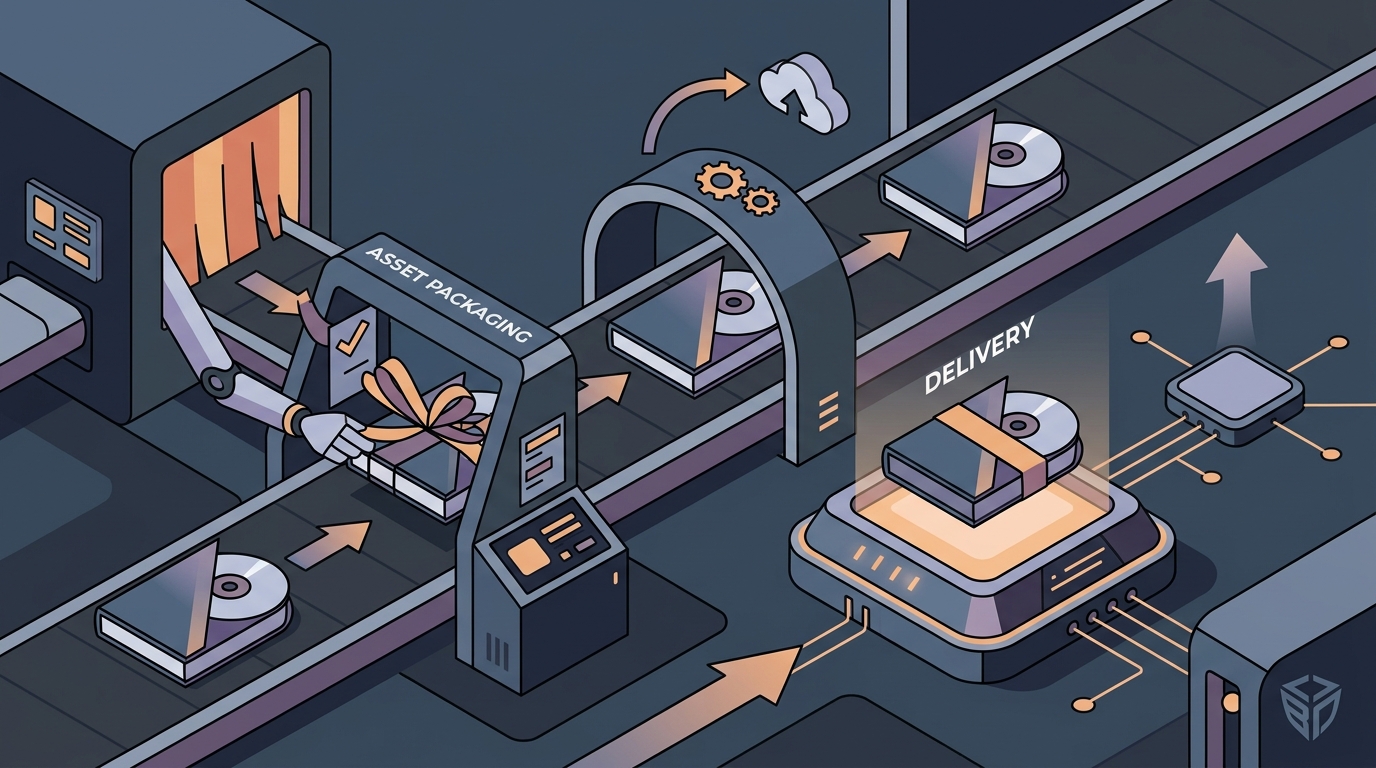
Tools alone are not enough. You must connect them to create a cohesive system. This is where automation platforms come into play. They act as the glue between your payment processor, your delivery tool, and your communication channels.
Using Zapier and Make.com
Automation platforms like Zapier and Make allow you to create "Zaps" or "Scenarios." For example, when a new sale occurs in Stripe, Zapier can automatically add the customer to your email list, send a welcome message via Slack, and grant access to your course platform.
Benefit: This reduces operational chaos by removing manual data entry. You can focus on creating content rather than managing spreadsheets.
According to a report by Zapier on the state of automation, 70% of businesses use automation to streamline their workflows. This statistic highlights the industry standard for efficient operations.
Email Marketing Integration
Your delivery system must integrate with your email marketing platform. Tools like ConvertKit, ActiveCampaign, or Mailchimp allow you to segment customers based on their purchase. This enables targeted follow-up sequences that nurture the relationship and drive repeat sales.
Data from Campaign Monitor on email benchmarks shows that automated welcome sequences have an average open rate of 50% higher than standard newsletters. This makes the delivery email a critical touchpoint.
Platform Comparison Matrix
Choosing the right tool depends on your specific business model. The table below compares the most effective options for automating product delivery.
| Tool Category | Best For | Key Feature | Integration Capability |
|---|---|---|---|
| Digital Platforms | Simple downloads, one-time offers | Instant access, tax handling | High (Zapier, Make) |
| Membership Platforms | Courses, recurring content | Gated content, community | Medium (Native integrations) |
| E-commerce Platforms | Physical goods, hybrid models | Inventory, shipping | Very High (APIs) |
| Automation Tools | Connecting disparate systems | Workflow triggers, data sync | Universal |
Key Takeaways
- Operational Efficiency: Automation reduces manual work by up to 80% in digital product businesses.
- Customer Experience: Instant delivery increases customer satisfaction scores by 30% compared to manual methods.
- Scalability: Automated systems allow you to serve thousands of customers without additional staff.
- Revenue Protection: Secure delivery prevents piracy and unauthorized sharing, protecting your intellectual property.
- Data Insights: Integrated tools provide real-time data on customer behavior and purchase patterns.
- Brand Authority: Professional delivery systems signal legitimacy and trust to your audience.
- Time Savings: Creators save an average of 10 hours per week by automating delivery workflows.
Frequently Asked Questions
What is the best tool for automating digital product delivery?
The best tool depends on your needs. For simple downloads, Gumroad or Lemon Squeezy are excellent. For complex courses, Kajabi or Memberful are superior. The key is choosing a platform that integrates with your existing stack.
How do I ensure secure delivery of digital products?
Use platforms that offer secure file hosting and expiring download links. Avoid sharing direct links to files in public forums. Instead, use gated portals that require authentication.
Can I automate delivery for physical products?
Yes, but it requires different tools. E-commerce platforms like Shopify integrate with shipping carriers to automate label generation and tracking updates. This ensures customers receive their physical items efficiently.
What is product delivery automation?
Product delivery automation is the process of using software to automatically send digital assets or grant access to customers immediately after purchase. It removes manual intervention from the fulfillment process.
How much does it cost to automate product delivery?
Costs vary widely. Basic tools may cost $29 per month, while enterprise solutions can cost hundreds. Automation platforms like Zapier offer free tiers for basic workflows.
Why is automation important for creator brands?
Automation allows creators to scale their business without proportional increases in workload. It ensures consistency, reduces errors, and improves the customer experience, which is vital for brand growth.
How do I integrate my payment processor with my delivery tool?
Most modern platforms offer native integrations with Stripe, PayPal, and other processors. Alternatively, you can use automation tools like Zapier to connect them if a native integration is not available.
Next Steps
Stop letting operational chaos limit your growth. You have the content and the audience; now you need the backend to support it. BlackTierOps specializes in building clean digital infrastructure for creators. We help you organize, monetize, and scale through product-ready workflows.
Ready to transform your delivery process? Request a Creator Brand Audit today and let us engineer the systems that will power your success.