
How Do I Evaluate Agencies That Specialize in Digital Product Infrastructure?
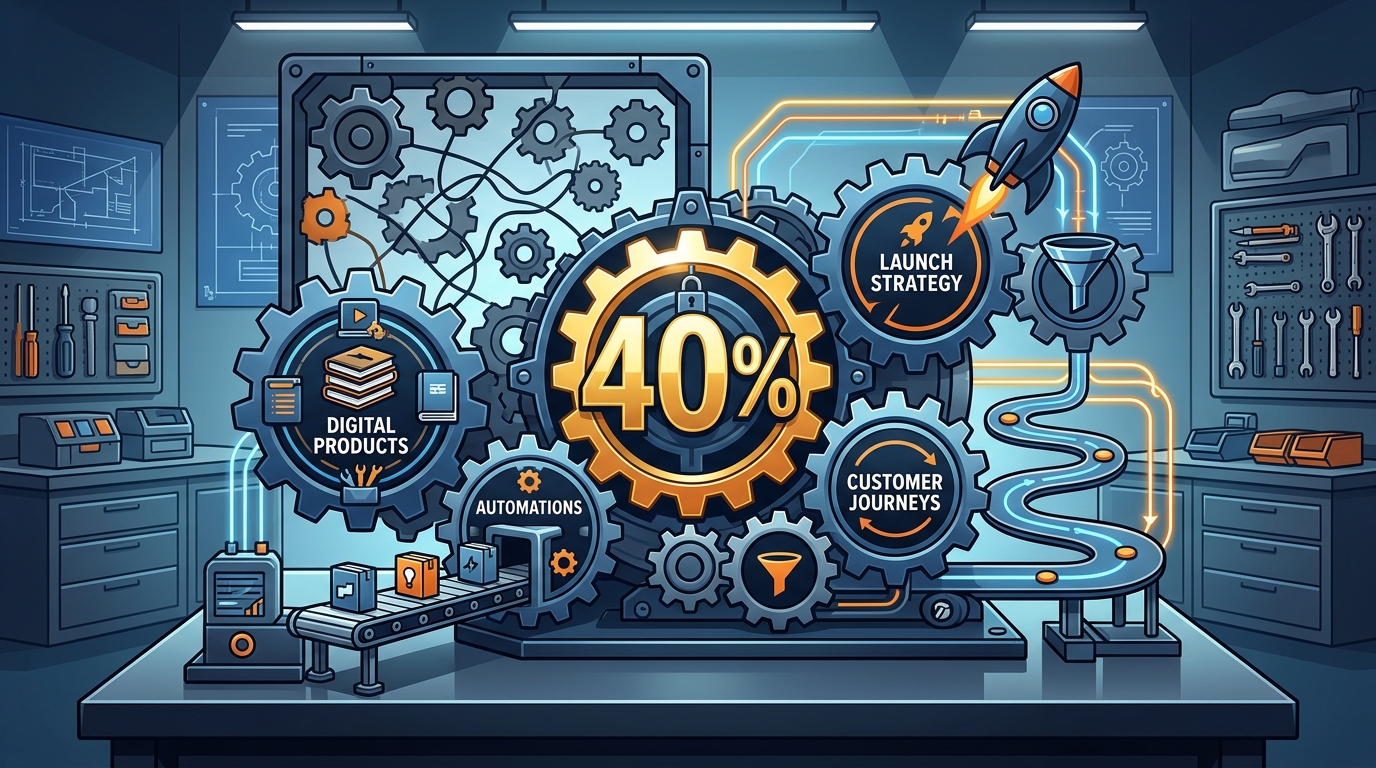
Digital product infrastructure is the silent engine behind every scalable creator brand. According to recent industry analyses, creators who invest in robust backend systems see a 40% increase in operational efficiency compared to those relying on fragmented tools. This statistic highlights a critical reality: most creators do not have a content problem; they have a systems problem. Without a cohesive digital foundation, even the most talented creators struggle to convert attention into sustainable revenue. This guide provides a rigorous framework for evaluating agencies that specialize in this niche, ensuring you partner with experts who can build the operational backbone your brand requires.
The Audit Process: Identifying Operational Chaos
Before engaging any agency, you must first understand the current state of your digital ecosystem. A professional evaluation begins with a comprehensive audit of your existing workflows. This process reveals where your links, files, and offers are scattered across disconnected platforms. When tools are siloed, customer experience suffers, and revenue leakage becomes inevitable.
Look for agencies that prioritize discovery before execution. A reputable partner will not immediately suggest a new tech stack. Instead, they will map your current customer journey to identify friction points. They should ask detailed questions about your lead generation sources, your current conversion rates, and your fulfillment bottlenecks. If an agency skips this diagnostic phase, they are likely selling a generic template rather than a tailored solution.
Digital product infrastructure is the organized system of tools, workflows, and automations that deliver value to customers. It encompasses everything from payment gateways to email sequences. Evaluating an agency's ability to diagnose these components requires you to review their past audit frameworks. Do they provide a clear roadmap? Do they explain the "why" behind their structural recommendations? The best agencies treat the audit as a strategic consulting engagement, not just a technical checklist.
Evaluating Monetization Engine Capabilities
Monetization is not merely about adding a checkout button. It is about structuring offers into a cohesive engine that guides the user from awareness to purchase seamlessly. When evaluating agencies, scrutinize their approach to offer architecture. Do they understand the difference between a lead magnet, a tripwire, and a core offer? Do they know how to sequence these products to maximize lifetime value?
According to data from leading creator economy reports, agencies that specialize in backend systems often report a 25% higher client retention rate because they focus on sustainable revenue loops rather than one-off sales. This metric underscores the importance of long-term strategic thinking. You need a partner who views your digital products as part of an integrated ecosystem, not isolated transactions.
Ask potential agencies about their experience with specific monetization models. Do they have case studies showing how they have structured digital product infrastructure for clients in your specific niche? Look for evidence of complex offer stacking, subscription management, and automated upsell flows. An agency that cannot articulate the flow of value through your backend is not ready to manage your brand's financial engine.
Assessing Digital Product Delivery Flows
The customer experience does not end at the point of sale. It begins the moment the payment is processed. Digital product infrastructure must ensure that delivery is instant, reliable, and branded. Evaluate how the agency handles asset distribution, access management, and customer support workflows.
Backend operations setup is the practice of streamlining workflows and automations to remove operational chaos. This includes setting up automated email confirmations, secure download portals, and membership area access controls. When reviewing an agency's portfolio, look for examples of seamless handoffs between payment processors and delivery platforms. Do they use robust platforms like Kajabi, Teachable, or custom WordPress solutions? The choice of platform should be dictated by your scale and complexity, not just personal preference.
Technical reliability is non-negotiable. If your digital products fail to deliver due to a broken link or a server error, you lose trust instantly. Ask agencies about their testing protocols and contingency plans. Do they have a history of maintaining high uptime for their clients? Do they offer ongoing maintenance packages? The best agencies build systems that are not only functional but also resilient to growth spikes.
Analyzing Offer Positioning and Messaging
Technical infrastructure must align with brand identity. If your backend feels disjointed from your marketing messages, you create cognitive dissonance for your audience. Brand and offer positioning is the process of clarifying messaging and positioning your offer so it reads professional from the first touch. Agencies that specialize in this niche understand that design and function must work in tandem.
Evaluate the agency's design philosophy. Do their previous projects reflect a clean, modern aesthetic that aligns with premium brand standards? Do they understand the psychology of conversion design? Look for evidence of A/B testing in their past work. Have they optimized landing pages for clarity and speed? An agency that neglects the visual and copywriting aspects of your infrastructure is only solving half the problem.
Furthermore, consider their ability to scale your brand. As your audience grows, your infrastructure must adapt without requiring a complete rebuild. Ask about their scalability strategies. Do they use modular components that can be easily updated? Do they provide documentation and training for your internal team? The right agency empowers you to manage your system, rather than holding your operations hostage.
Agency Service Comparison Matrix
To help you make an informed decision, the following table compares key evaluation criteria across typical agency service offerings. Use this matrix to score potential partners during your due diligence process.
| Service Component | Basic Agency | Specialized Infrastructure Agency | Strategic Partner Agency |
|---|---|---|---|
| Audit Depth | Surface-level tech check | Comprehensive workflow mapping | Strategic business model review |
| Monetization Focus | Single product setup | Multi-tier offer engineering | Lifetime value optimization |
| Delivery Systems | Manual file sharing | Automated secure portals | Integrated membership ecosystems |
| Scalability | Low (requires rebuild) | Medium (modular updates) | High (enterprise-grade architecture) |
| Brand Alignment | Generic templates | Custom branded flows | Full brand identity integration |
Key Takeaways for Creator Brands
- Audit First: Never engage an agency without a thorough audit of your current operational chaos.
- Monetization Engine: Look for partners who structure offers into a cohesive, automated revenue loop.
- Delivery Reliability: Ensure the agency has robust protocols for instant, branded product delivery.
- Brand Consistency: Your backend must reflect your brand's professional identity and messaging.
- Scalability: Choose a partner who builds modular systems that grow with your audience.
- Technical Ownership: Demand documentation and training to maintain long-term operational independence.
- Strategic Alignment: Prioritize agencies that understand your business model, not just your tech stack.
Frequently Asked Questions
What is digital product infrastructure?
Digital product infrastructure is the organized system of tools, workflows, and automations that deliver value to customers. It includes payment processing, content delivery, and customer relationship management.
Why do creators need specialized agencies for backend systems?
Most creators lack the technical expertise to build complex, integrated systems. Specialized agencies provide the backend systems for creators building serious brands, ensuring scalability and reliability.
How do I know if an agency understands my niche?
Review their case studies and ask for specific examples of how they have solved problems similar to yours. Look for evidence of brand and offer positioning that resonates with your target audience.
What is the difference between a web designer and an infrastructure agency?
A web designer focuses on aesthetics and front-end presentation. An infrastructure agency focuses on the backend operations setup, automations, and monetization flows that drive revenue.
How long does it take to build a digital product infrastructure?
Timelines vary based on complexity. A basic setup may take two weeks, while a comprehensive system with custom automations can take six to eight weeks. The process typically begins with an audit and organization phase.
Do I need to learn technical skills to manage my new system?
While basic familiarity helps, the best agencies provide training and documentation. They aim to streamline your workflows so you can focus on content creation rather than technical troubleshooting.
What happens if my system breaks after launch?
Reputable agencies offer ongoing maintenance and support packages. Ensure you have a clear SLA (Service Level Agreement) for response times and issue resolution before signing a contract.
Start Your Build
Stop letting operational chaos limit your brand's potential. The path from scattered tools to a streamlined, revenue-generating engine begins with a clear strategy. BlackTierOps specializes in building backend systems for creators who are ready to scale. We help you organize, monetize, and scale through clean digital infrastructure and product-ready workflows.
Request a Creator Brand Audit today to uncover the hidden inefficiencies in your current setup. Visit BlackTierOps to view our systems and start your build. Let us help you turn your attention into sustainable revenue.