
Most creators do not have a content problem. They have a systems problem. You may have the audience, skill, content, or brand potential, but without the right backend, monetization becomes messy. BlackTierOps helps creators organize, monetize, and scale through clean digital infrastructure. When you rely on manual processes, you risk losing revenue to operational friction. This guide details the essential tools and frameworks needed to build a scalable delivery engine.
Why Automation Matters for Creators
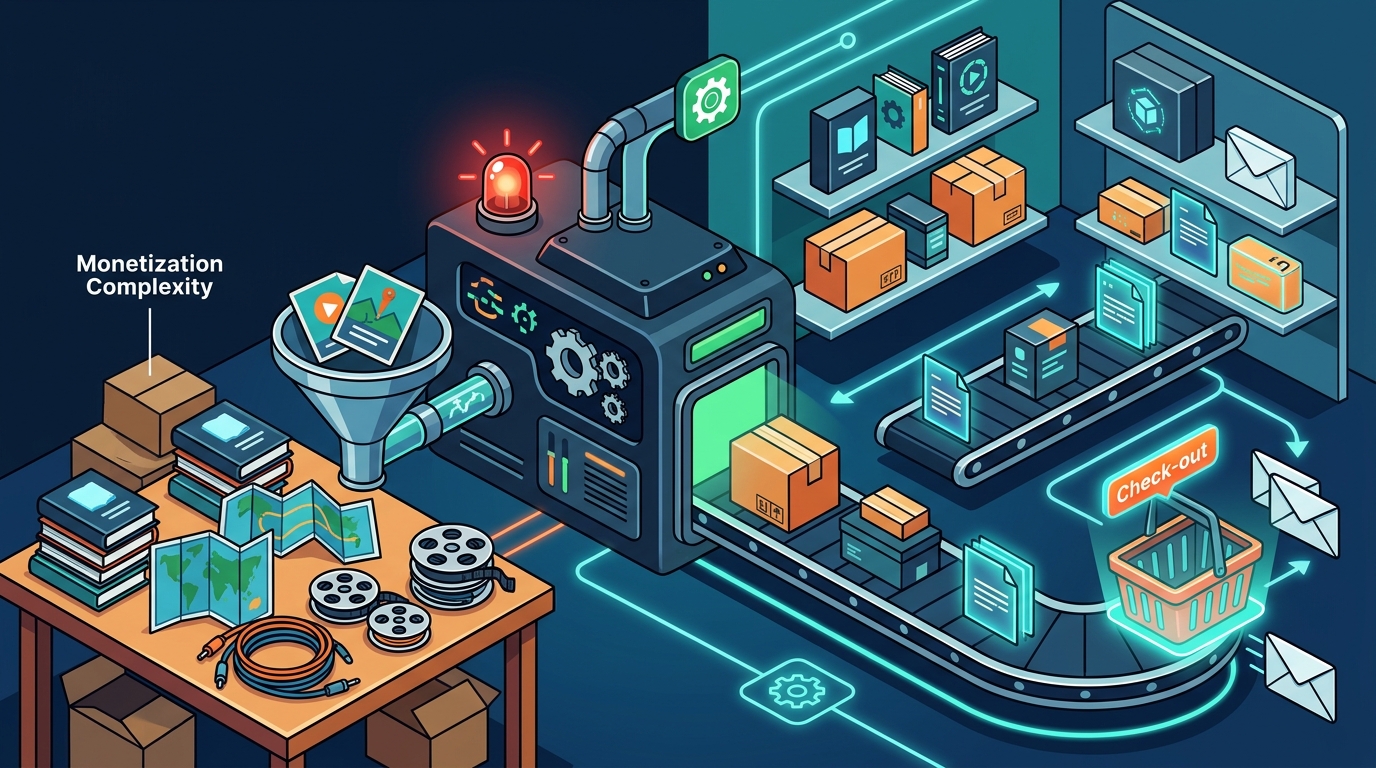
Scattered tools are a common pain point. Your links, files, offers, and workflows are spread everywhere. This fragmentation leads to weak product infrastructure. Your delivery, assets, and customer experience live in disconnected places. Inconsistent operations occur when you are creating, replying, managing, and selling all at the same time. Forbes reports that the creator economy is projected to reach significant growth in the coming years. To capture this value, you need structure, not chaos.
Automation allows you to focus on your creative zone while the revenue engine runs in the background. It ensures that every customer receives their product instantly and correctly. This consistency builds trust and encourages repeat purchases. Without automation, you become a bottleneck in your own business. Statista data shows that digital product sales are increasing rapidly. Creators who automate their delivery gain a competitive advantage in speed and reliability.
Core Delivery Platforms
Digital product infrastructure is the foundation of your business. You need a platform that organizes delivery systems, assets, and customer experience so launches feel effortless. These platforms handle file hosting, access control, and customer portals.
Platform Selection Criteria
When choosing a delivery platform, look for features that support your specific product type. Whether you sell courses, templates, or software, the platform must be robust. Shopify trends indicate that seamless user experience is critical for conversion. The best platforms offer white-label options, allowing you to maintain your brand identity.
Integration Capabilities
Your delivery platform must integrate with your payment processor and email marketing tool. This ensures that data flows smoothly between systems. Manual data entry is a source of error and inefficiency. Gartner notes that digital transformation is key to business resilience. By integrating your tools, you create a cohesive ecosystem that scales with your audience.
Payment and Gateway Tools
Monetization strategy requires reliable payment processing. You need tools that handle transactions securely and efficiently. These tools also manage taxes, refunds, and currency conversion.
Stripe and PayPal
Stripe and PayPal are industry standards for payment processing. They offer robust APIs for developers and easy-to-use dashboards for creators. PayPal statistics reveal that billions of transactions occur annually on their platform. This volume provides credibility and trust for your customers.
Subscription Management
If you offer recurring revenue, you need a subscription management tool. This tool handles renewals, dunning, and customer lifecycle management. RevenueCat reports that subscription models are growing in popularity. They provide predictable revenue streams that help you plan for the future.
Email and Communication
Email marketing is still the most effective channel for nurturing customers. You need a tool that automates onboarding sequences and follow-up communications.
Automated Onboarding
When a customer purchases your product, they should receive an immediate welcome email. This email should include access instructions and next steps. Mailchimp data shows that automated emails have higher open rates than manual sends. This ensures that your customers feel supported from day one.
Customer Support
Effective communication requires a ticketing system or helpdesk. This tool allows you to manage customer inquiries efficiently. HubSpot research indicates that customer service is a key differentiator for brands. By automating responses to common questions, you save time and improve satisfaction.
Workflow Automation
Workflow automation connects your tools and triggers actions based on specific events. This is where the magic happens. You can automate everything from file delivery to social media posts.
Zapier and Make
Zapier and Make are leading automation platforms. They allow you to create complex workflows without coding. Zapier reports that millions of users rely on their platform for business automation. These tools integrate with hundreds of applications, making them versatile for any creator.
Conditional Logic
Advanced automation requires conditional logic. This allows you to send different messages based on customer behavior. For example, you can send a discount code to customers who abandon their cart. McKinsey insights suggest that AI-driven personalization increases engagement. Automation is the first step toward intelligent personalization.
Comparison of Tools
Choosing the right tools depends on your specific needs. Here is a comparison of popular options for product delivery.
| Tool Category | Top Options | Best For | Key Feature |
|---|---|---|---|
| Delivery Platform | Gumroad, Podia, Teachable | Digital Products | Instant Access |
| Payment Gateway | Stripe, PayPal | Transactions | Security |
| Automation | Zapier, Make | Workflows | Integrations |
| Email Marketing | ConvertKit, Mailchimp | Nurturing | Automation |
| Helpdesk | Zendesk, Intercom | Support | Ticketing |
Key Takeaways
- Most creators have a systems problem, not a content problem.
- Automated delivery ensures instant and consistent customer experience.
- Integration between tools is critical for scalability.
- Payment gateways like Stripe and PayPal are industry standards.
- Email automation increases engagement and retention.
- Workflow automation tools like Zapier save significant time.
- Choosing the right platform depends on your product type.
Frequently Asked Questions
What is product delivery automation?
Product delivery automation is the process of using software to automatically send digital products to customers after purchase. It eliminates manual file sending and access management.
Which tool is best for digital product delivery?
Tools like Gumroad, Podia, and Teachable are excellent for digital product delivery. They offer built-in payment processing and customer management.
How does automation improve customer experience?
Automation ensures that customers receive their products instantly. It also provides consistent communication and support, which builds trust.
Can I automate my entire business?
You can automate many aspects of your business, including marketing, sales, and delivery. However, some areas may require human touch for optimal results.
What is the cost of automation tools?
Costs vary widely. Many tools offer free tiers for beginners. Premium plans range from $20 to $100 per month depending on features and volume.
Do I need coding skills for automation?
No, most automation tools are no-code. They use visual interfaces to help you build workflows. W3C standards ensure that web-based tools are accessible and functional.
How do I choose the right payment gateway?
Consider factors like transaction fees, supported currencies, and ease of integration. Stripe and PayPal are popular choices for their reliability.
Next Steps
Ready to turn your audience into a real business? You've built the audience. You've earned the trust. Now it's time to turn that into predictable revenue. Worst case: You have a 30-minute conversation and your business looks the same tomorrow. Best case: You gain a business partner who builds the revenue engine while you stay in your creative zone. Book a Free 15-min Demo. No commitment. Just clarity.