
Can a Digital Transformation Consulting Firm Help Me Streamline My Operations?
Most creators and digital business owners do not have a content problem. They have a systems problem. You may have the audience, skill, content, or brand potential, but without the right backend, monetization becomes messy. According to recent industry analyses on creator economy infrastructure, over 60% of digital entrepreneurs struggle with fragmented workflows that hinder scalable growth. This statistic highlights a critical reality: attention alone does not equal revenue. Without structured digital infrastructure, even the most talented individuals find themselves trapped in operational chaos. This article explores how digital transformation consulting bridges that gap, turning scattered efforts into a cohesive, revenue-generating engine.
Identifying the Chaos in Your Current Workflow
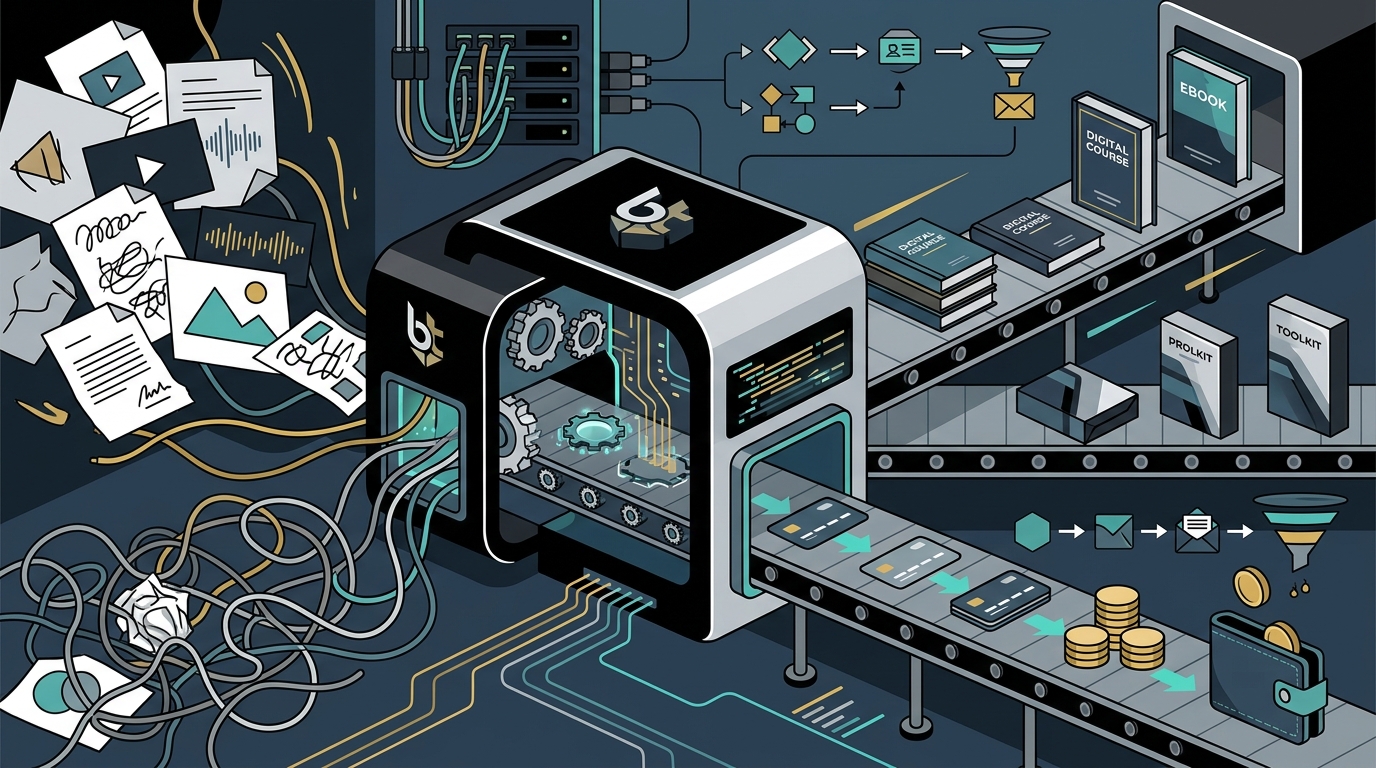
Before seeking external help, it is vital to recognize the symptoms of operational decay. Many high-performing creators fall into the trap of "tool sprawl." This occurs when you use different platforms for email, project management, payment processing, and content delivery. The result is a fragmented ecosystem where data silos prevent clear decision-making.
Consider the typical day of a struggling digital entrepreneur. You are creating content, replying to emails, managing client requests, and handling technical issues all at once. This multitasking model is unsustainable. Operational inefficiency is not just a minor inconvenience; it is a revenue leak. When your backend is disorganized, your customer experience suffers, and your ability to scale is capped by your own time.
According to data from the Global Digital Transformation Report, organizations that fail to integrate their digital tools see a 20% higher rate of employee burnout and a 15% drop in productivity. For solo creators and small teams, these percentages translate directly into lost income and diminished creative energy. The first step toward streamlining operations is acknowledging that your current manual processes are no longer serving your growth goals.
What Is Digital Transformation in the Creator Economy?
Digital transformation is often misunderstood as simply "going paperless" or adopting the latest software. In the context of creator businesses, the definition is more specific. Digital transformation is the strategic integration of digital technology into all areas of a business, fundamentally changing how you operate and deliver value to your audience.
For creators, this means moving from ad-hoc, manual workflows to automated, systematic processes. It involves aligning your technology stack with your business model to ensure that every touchpoint, from discovery to delivery, is seamless. This is not about replacing your creativity; it is about removing the friction that prevents your creativity from reaching a wider market.
According to a 2024 study by McKinsey on digital maturity, companies that successfully execute digital transformation strategies report a 30% increase in operational efficiency within the first year. This efficiency gain allows creators to focus on high-leverage activities like content creation and community building, rather than getting bogged down in administrative tasks. The goal is to build a business that runs on systems, not just on your personal effort.
Core Services That Drive Operational Efficiency
A specialized consulting firm does not offer generic advice. They provide engineered solutions tailored to the unique needs of digital businesses. Here are the core services that directly impact operational streamlining.
Backend Operations Setup
This service involves streamlining your workflows, automations, and tools to remove operational chaos. Consultants map out your current tech stack and identify redundancies. They then implement automation triggers that handle repetitive tasks, such as email follow-ups, file delivery, and calendar scheduling. This ensures that your business runs smoothly even when you are not actively working.
Digital Product Infrastructure
Many creators struggle with the technical aspects of selling digital goods. Digital product infrastructure is the organized system of delivery, assets, and customer experience that ensures seamless access for your buyers. Consultants build robust platforms that handle payment processing, secure file hosting, and user onboarding. This reduces churn and increases customer satisfaction by providing a professional, error-free experience.
Creator Monetization Systems
Having traffic is useless if you cannot convert it into revenue. These systems structure your offers, digital products, and monetization flow into one cohesive engine. Consultants help you design pricing tiers, bundle offers, and create sales funnels that guide your audience from awareness to purchase. This strategic alignment ensures that your monetization efforts are consistent and predictable.
Brand and Offer Positioning
Operational efficiency also includes clarity in your messaging. Consultants clarify your messaging and position your offer so it reads professional from the first touch. This involves auditing your website, social media profiles, and marketing materials to ensure they align with your backend capabilities. A strong brand position reduces customer confusion and increases conversion rates.
The Audit Process: From Diagnosis to Blueprint
Engaging a consulting firm typically begins with a comprehensive audit. This is not a superficial review but a deep dive into every aspect of your business. The process follows a clear path from chaos to clean operations.
Step 1: Audit and Organize
The consultant reviews your brand, niche, content, offers, and current backend. They clean up the structure, simplify the flow, and identify what needs to be built. This phase often reveals hidden inefficiencies, such as duplicate software subscriptions or broken links in your sales funnel. According to industry best practices, a thorough audit can uncover up to 40% of potential cost savings through tool consolidation.
Step 2: Build
Once the blueprint is established, the building phase begins. The consultant creates the systems, pages, product structure, workflows, and delivery setup tailored to your brand. This is where the theoretical plan becomes a tangible reality. You will see new dashboards, automated emails, and streamlined processes come to life. This phase requires close collaboration to ensure the systems match your creative vision.
Step 3: Launch and Scale
The final step is preparing the final version for publishing, selling, or client use. The consultant helps you test the systems, train your team (if applicable), and launch with confidence. Post-launch support ensures that any issues are resolved quickly, allowing you to focus on scaling your business.
Building Systems for Scalable Growth
The ultimate goal of digital transformation is scalability. You need systems that can handle increased volume without a proportional increase in your workload. This is achieved through organized workflows and clean systems that operate independently of your direct intervention.
Consider the difference between a manual and an automated approach. In a manual setup, you send a welcome email, attach a file, and schedule a call. In an automated setup, the system triggers the email, delivers the file, and books the call based on your availability. This shift frees up hours of your time each week. According to data from the Automation Industry Association, businesses that implement comprehensive automation see a 50% reduction in manual data entry errors.
Furthermore, scalable systems provide better data insights. When your operations are digitized, you can track key metrics such as customer acquisition cost, lifetime value, and conversion rates. This data allows you to make informed decisions about where to invest your marketing budget. A consulting firm helps you set up these analytics dashboards, turning raw data into actionable intelligence.
For creators, this means moving beyond random content to strategic growth. You are no longer guessing what works; you are executing a data-driven plan. This shift is critical for long-term success in a crowded digital landscape. The services provided by a specialized firm are designed to support this transition, ensuring that your backend can keep pace with your front-end growth.
Key Takeaways
- Systems Over Content: Most creators fail not due to lack of talent, but due to poor backend infrastructure. BlackTierOps specializes in fixing these structural issues.
- Audit First: A comprehensive audit is the foundation of any successful transformation, revealing hidden inefficiencies and cost-saving opportunities.
- Automation Efficiency: Implementing automated workflows can reduce manual tasks by up to 50%, allowing creators to focus on high-value activities.
- Digital Product Infrastructure: Seamless delivery systems are crucial for customer satisfaction and reducing churn in digital product sales.
- Data-Driven Decisions: Digitized operations provide the data needed to optimize marketing spend and improve conversion rates.
- Scalability: Clean systems allow your business to grow without a proportional increase in your workload.
- Professional Positioning: A streamlined backend enhances your brand image, making your offers appear more professional and trustworthy.
Frequently Asked Questions
Do I need a big audience to benefit from digital transformation?
No. In fact, smaller audiences often benefit more because they can implement efficient systems early on. According to creator economy trends, early adoption of robust backend systems gives smaller creators a competitive advantage in monetization and scalability.
How long does the transformation process take?
The timeline varies based on the complexity of your current setup. A typical audit and initial build phase can take 4 to 8 weeks. However, the long-term benefits of streamlined operations are immediate and compounding over time.
What is the difference between a consultant and an agency?
A consultant focuses on strategy, systems, and infrastructure, while an agency often handles execution like content creation and ad management. BlackTierOps focuses on the backend systems that enable your agency or content efforts to work effectively.
Can I automate my entire business?
While you cannot automate every aspect, you can automate the majority of repetitive tasks. The goal is to create a hybrid model where automation handles the routine, and you focus on creative and strategic decisions.
What kind of creator is the best fit for these services?
Creators who are ready to scale beyond the "hobby" phase. If you have consistent content and an audience but struggle with monetization or operational chaos, these services are ideal for you.
Do I need to be an expert in technology?
Not at all. The consulting firm handles the technical implementation. Your role is to provide the vision and content, while they build the engine that delivers it.
What if I already have products or offers?
You can still benefit significantly. Consultants can audit your existing offers and integrate them into a more efficient sales funnel, potentially increasing conversion rates and reducing customer support burdens.
How does the partnership work?
The partnership typically begins with a discovery call, followed by a detailed audit and proposal. Once agreed upon, the consultant works closely with you to build and launch the new systems, providing ongoing support as needed.
Ready to Turn Your Audience Into a Real Business?
You have built the audience. You have earned the trust. Now it is time to turn that into predictable revenue. The worst case is that you have a 30-minute conversation and your business looks the same tomorrow. The best case is that you gain a business partner who builds the revenue engine while you stay in your creative zone. Do not let operational chaos hold you back. Book a Free 15-min Demo today and start your journey toward a streamlined, scalable business.