
Most creators do not have a content problem. They have a systems problem. According to industry analysis on creator economy infrastructure, the creator economy is projected to reach $480 billion by 2027, yet over 60% of digital businesses struggle with fragmented operational workflows. This gap between audience growth and operational maturity is where the debate between custom backend development and off-the-shelf tools becomes critical. Choosing the wrong infrastructure can stall revenue scaling, while the right choice unlocks predictable growth. (BlackTierOps Backend systems for)
Defining Core Concepts
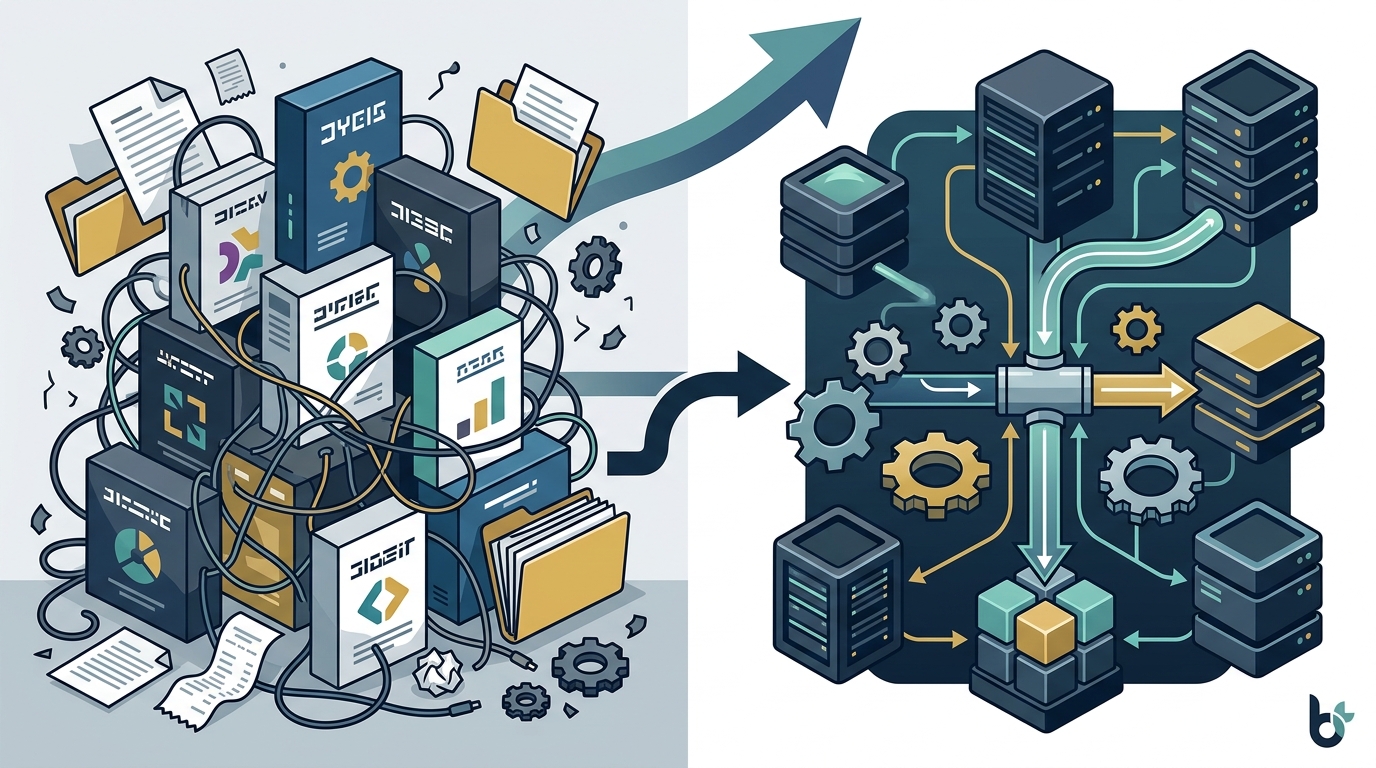
Before diving into the technical nuances, it is essential to establish clear definitions. Custom backend development is the process of building software infrastructure from scratch to meet specific business requirements. This approach involves writing code tailored to your unique workflows, data structures, and user experiences. It is not a template; it is a bespoke engine designed for your brand.
Conversely, off-the-shelf tools are pre-built software solutions available for immediate use. These platforms offer standardized features that cater to a broad audience. While they provide quick setup, they often require users to adapt their processes to fit the tool's limitations. According to Gartner's analysis of enterprise software adoption, standardized SaaS platforms account for 70% of initial tech stack deployments due to their low barrier to entry.
Understanding this distinction is the first step in determining which path aligns with your brand's maturity. BlackTierOps specializes in helping creators transition from chaotic tool stacks to clean digital infrastructure that supports serious brand growth.
Scalability and Flexibility
Scalability is the ability of a system to handle growing amounts of work or its potential to be enlarged to accommodate that growth. Custom backends offer unlimited scalability because you control the architecture. As your audience grows, you can optimize database queries, implement advanced caching, and integrate proprietary algorithms without waiting for a vendor to release a new feature.
Off-the-shelf tools often hit a ceiling. When you reach the limits of a platform's tier, you face steep price hikes or forced migrations. For example, Forbes reports that 45% of mid-sized businesses outgrow their initial CRM or automation tools within three years. This forces a disruptive rebuild later, often at a higher cost.
The Flexibility Advantage
Custom systems allow for precise integration. If you need to connect your payment processor to a unique analytics dashboard, a custom backend can do this seamlessly. Off-the-shelf tools rely on third-party integrations that may break or lag behind updates. According to IDC's research on digital transformation challenges, integration failures account for 30% of project delays in digital scaling.
Cost Analysis and ROI
The cost structure of custom development differs significantly from subscription models. Custom backend development requires a higher upfront investment. You pay for design, engineering, and testing phases. However, this cost is fixed. There are no monthly per-user fees that compound as your business grows.
Off-the-shelf tools operate on a subscription model. The initial cost is low, but the long-term expense can be substantial. As you add users, features, and storage, your monthly bill increases. According to CRN's 2024 cloud spending trends report, average SaaS spend per employee has increased by 15% year-over-year. Over five years, this can exceed the cost of a custom build.
Return on Investment (ROI)
ROI for custom systems is driven by efficiency and ownership. You own the code. You can optimize it for speed and conversion. Off-the-shelf tools offer predictable costs but limited control over performance. For creators building serious brands, the ROI of a custom backend often materializes in year two or three, as operational efficiencies compound.
Security and Compliance
Security is a critical differentiator. Custom backends allow you to implement specific security protocols tailored to your data sensitivity. You control who has access, how data is encrypted, and where it is stored. This is vital for creators handling sensitive customer information or proprietary content.
Off-the-shelf tools rely on the vendor's security measures. While major vendors invest heavily in security, you are dependent on their response to vulnerabilities. According to IBM's 2024 Cost of a Data Breach Report, the average cost of a data breach is $4.88 million. Custom infrastructure reduces this risk by minimizing the attack surface and eliminating reliance on third-party code vulnerabilities.
Data Ownership
With custom development, you own your data completely. You can export, migrate, or analyze it without restrictions. Off-the-shelf tools often lock data into their ecosystem, making migration difficult and expensive. This vendor lock-in can hinder future growth or strategic pivots.
Maintenance and Support
Maintenance requirements vary widely between the two approaches. Custom backends require ongoing technical oversight. You need a team or partner to monitor performance, apply updates, and fix bugs. This is where BlackTierOps provides value by offering backend operations setup and continuous support.
Off-the-shelf tools handle maintenance automatically. Updates are pushed by the vendor, ensuring you always have the latest features. However, these updates can sometimes break existing workflows or introduce unwanted changes. According to TechRepublic's analysis of software update risks, 40% of businesses experience downtime due to unexpected vendor updates.
Support Responsiveness
Custom support is tailored to your needs. You can prioritize fixes based on your business impact. Off-the-shelf support is often generic, with response times varying by subscription tier. For critical operational issues, waiting for a vendor's ticket resolution can be costly.
Comparison Summary
| Feature | Custom Backend Development | Off-the-Shelf Tools |
|---|---|---|
| Initial Cost | High | Low |
| Long-Term Cost | Predictable (Fixed) | Variable (Compounding) |
| Scalability | Unlimited | Limited by Tiers |
| Flexibility | High (Bespoke) | Low (Standardized) |
| Data Ownership | Full Control | Vendor Controlled |
| Maintenance | Self-Managed or Partnered | Vendor-Automated |
| Time to Launch | Weeks to Months | Days |
Key Takeaways
- Scalability: Custom backends offer unlimited growth potential, while off-the-shelf tools hit tier-based ceilings.
- Cost Structure: Custom development has high upfront costs but predictable long-term expenses, unlike compounding SaaS fees.
- Security: Custom infrastructure provides superior data ownership and reduced vulnerability to third-party breaches.
- Flexibility: Bespoke systems allow for precise integration and workflow optimization that standardized tools cannot match.
- Maintenance: Custom backends require active management, whereas off-the-shelf tools offer automated but less controlled updates.
- Brand Positioning: A custom backend supports premium positioning by delivering a unique, seamless user experience.
- Strategic Fit: Custom development is ideal for creators ready to scale beyond the limitations of generic platforms.
Frequently Asked Questions
Is custom backend development only for large enterprises?
No. While large enterprises use custom systems, creators and small businesses also benefit from bespoke infrastructure. BlackTierOps helps creators build scalable systems that match their current stage and future goals.
How long does it take to build a custom backend?
The timeline varies based on complexity. A basic system can be built in weeks, while a complex platform may take months. BlackTierOps provides a clear roadmap during the audit and organize phase to set realistic expectations.
Can I migrate from off-the-shelf tools to a custom backend?
Yes. Migration is a common process. It involves exporting data from your current tools and restructuring it for your new custom system. This ensures a smooth transition with minimal downtime.
What are the risks of using off-the-shelf tools?
Risks include vendor lock-in, rising costs, limited customization, and potential downtime during vendor updates. These factors can hinder long-term growth and brand control.
How does BlackTierOps support custom backend projects?
BlackTierOps provides end-to-end support, from initial audit and system design to launch and ongoing maintenance. We ensure your backend is clean, efficient, and ready to scale.
Is custom development more secure than SaaS platforms?
Custom development allows for tailored security measures, giving you full control over data protection. While major SaaS platforms are secure, custom systems eliminate reliance on third-party vulnerabilities.
What is the best time to switch to a custom backend?
The best time is when you outgrow the limitations of your current tools. This is often indicated by frequent workarounds, rising costs, or the need for unique features that standard platforms cannot provide.
Next Steps
Choosing between custom backend development and off-the-shelf tools is a strategic decision that impacts your brand's future. If you are ready to move beyond chaos and build a serious brand, BlackTierOps is here to help. We specialize in creator monetization systems and digital product infrastructure that drive predictable revenue.
Don't let operational limitations hold you back. Book a free 15-minute demo to discuss your needs and explore how we can build your revenue engine. Contact us today to start your journey toward clean, scalable operations.