
Evaluating Digital Product Infrastructure Agencies: A Creator's Guide to Backend Systems
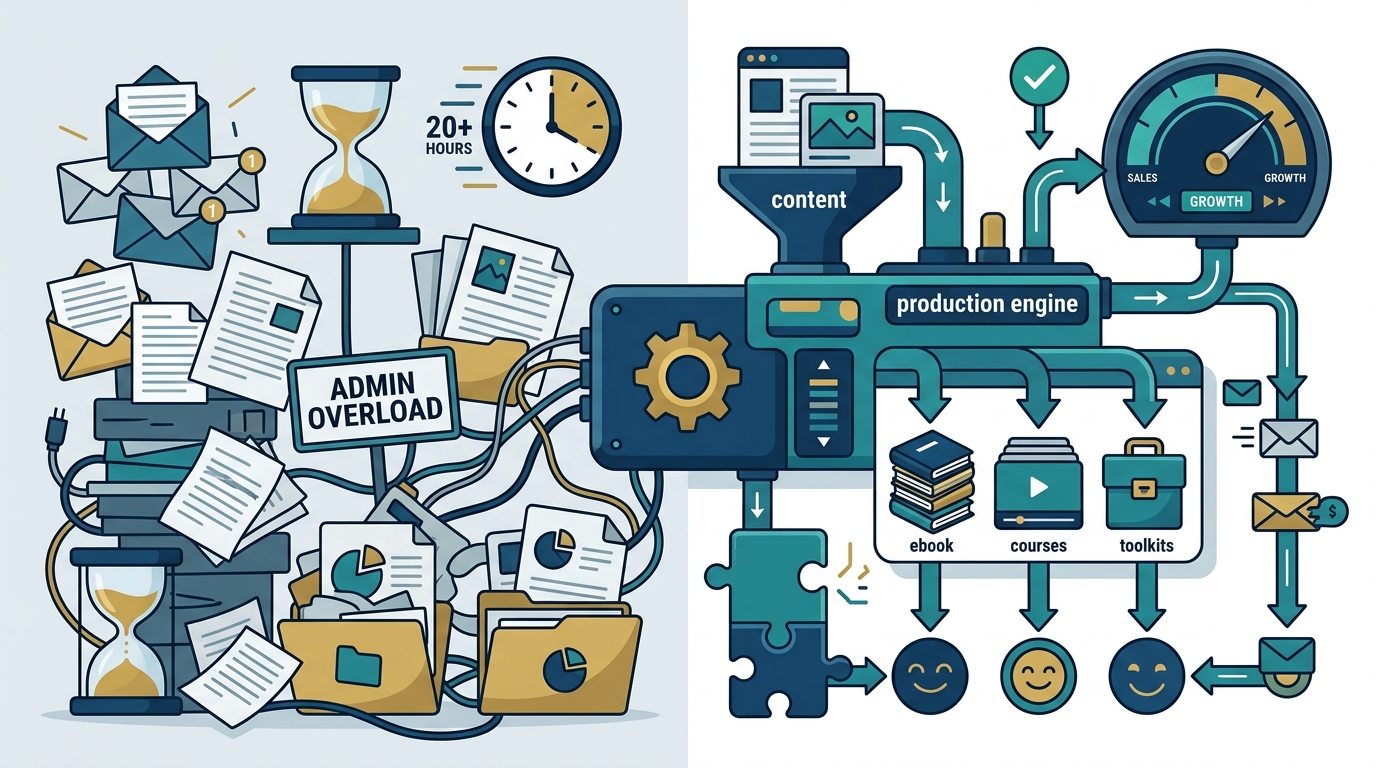
Most creators do not have a content problem. They have a systems problem. You may have the audience, skill, content, or brand potential, but without the right backend, monetization becomes messy. According to industry analysis on creator economy trends, the average creator spends over 20 hours per week on administrative tasks that could be automated or systematized. This operational drag directly impacts revenue growth and brand scalability. To turn attention into predictable revenue, you must evaluate agencies based on their ability to build clean digital infrastructure rather than just their marketing flair. (BlackTierOps Backend systems for)
Understanding Digital Product Infrastructure
Digital product infrastructure is the underlying technical and operational framework that supports the creation, delivery, and monetization of digital assets. It includes payment gateways, customer relationship management (CRM) systems, automated email sequences, and file delivery mechanisms. Without this foundation, even the most popular creators struggle to convert followers into customers.
Scattered tools are a common symptom of weak infrastructure. Your links, files, offers, and workflows are spread everywhere, leading to inconsistent operations. When you are creating, replying, managing, and selling all at the same time, operational chaos ensues. This fragmentation prevents you from scaling because your business relies entirely on your personal availability rather than a robust system.
Brand and offer positioning is also part of this infrastructure. It clarifies messaging and positions your offer so it reads professional from the first touch. A cohesive backend ensures that every customer interaction, from the initial click to the final download, feels seamless and premium.
Key Evaluation Criteria for Agencies
When selecting an agency, you must look beyond surface-level metrics. Many agencies claim to help with "growth," but few understand the mechanics of backend systems. You need a partner who specializes in organizing, monetizing, and scaling through clean digital infrastructure.
1. Specialization in Backend Systems
Not all agencies are created equal. Some focus on content creation, while others specialize in backend operations. Look for agencies that explicitly mention "backend systems" or "digital product infrastructure" in their service offerings. According to data on agency performance, specialized firms often deliver higher ROI for creators because they understand the technical nuances of digital delivery.
Ask potential partners about their experience with specific platforms. Do they work with tools like Kajabi, ClickFunnels, or custom WordPress setups? Their technical stack should align with your current or future needs. If they rely on outdated technology, your infrastructure will become a bottleneck.
2. Process Clarity and Methodology
A professional agency will have a clear path from chaos to clean operations. Their process should be structured into distinct phases: audit, build, and launch. This ensures that nothing falls through the cracks during the transition.
During the audit phase, they should review your brand, niche, content, offers, and current backend. They should clean up the structure, simplify the flow, and identify what needs to be built. This diagnostic step is critical for understanding your unique operational gaps.
3. Monetization Strategy Integration
Your infrastructure must support your monetization strategy. Whether you sell digital products, courses, or memberships, the backend must handle the complexity of delivery and customer experience. According to reports on digital product sales, creators with integrated monetization systems see a significant increase in average order value and customer retention.
Evaluate how the agency structures your offers. Do they create a cohesive engine for your digital products? Do they organize delivery systems and assets so launches feel effortless? These are the hallmarks of a mature infrastructure partner.
The Audit and Organization Phase
The first step in any successful infrastructure project is a comprehensive audit. This phase is about understanding where you are and where you need to go. It involves reviewing your current tools, workflows, and customer touchpoints.
During this phase, the agency should identify inefficiencies in your current setup. For example, do you have multiple payment processors that do not sync? Are your email lists fragmented across different platforms? These issues create friction for your customers and increase your operational burden.
The goal of the audit is to simplify the flow. By consolidating your tools and streamlining your processes, you create a foundation for scalable growth. This is not just about fixing bugs; it is about designing a system that can handle increased traffic and sales volume without breaking.
The Build and Integration Phase
Once the audit is complete, the build phase begins. This is where the agency creates the systems, pages, product structure, workflows, and delivery setup tailored to your brand. This phase requires precision and attention to detail.
Key components of the build include:
- Monetization Systems: Structuring your offers and digital products into a cohesive engine.
- Digital Product Infrastructure: Organizing delivery systems, assets, and customer experience.
- Backend Operations Setup: Streamlining workflows, automations, and tools to remove operational chaos.
- Brand & Offer Positioning: Clarifying messaging and positioning your offer for professional impact.
Each of these components must work together seamlessly. If one piece fails, the entire system can collapse. Therefore, it is crucial to choose an agency that understands the interdependencies between these elements.
Agency Service Comparison
To help you evaluate potential partners, here is a comparison of common service models in the digital product infrastructure space.
| Service Model | Focus Area | Best For | Typical Outcome |
|---|---|---|---|
| Backend Systems Setup | Workflow automation and tool integration | Creators with scattered tools | Streamlined operations and reduced admin time |
| Monetization Strategy | Offer structuring and sales funnel design | Creators with audience but no revenue | Predictable revenue and higher conversion rates |
| Digital Product Infrastructure | Delivery systems and customer experience | Creators launching new products | Effortless launches and professional delivery |
| Brand & Offer Positioning | Messaging clarity and visual identity | Creators rebranding or scaling | Professional brand perception and trust |
When reviewing these models, consider which areas are your biggest pain points. If you are struggling with admin tasks, focus on backend systems. If you are struggling with sales, focus on monetization strategy.
Key Takeaways
- Systems Over Content: Most creators fail not due to lack of content, but due to lack of backend systems.
- Audit First: Always start with a comprehensive audit to identify operational gaps and inefficiencies.
- Specialization Matters: Choose agencies that specialize in backend systems rather than generalist marketing firms.
- Monetization Integration: Ensure your infrastructure supports your specific monetization model, whether it is courses, memberships, or digital downloads.
- Scalability: Your infrastructure must be designed to handle growth, not just your current volume.
- Process Clarity: Look for agencies with a clear, phased approach to building your systems.
- Brand Alignment: Your backend should reflect your brand's premium positioning and professional standards.
Frequently Asked Questions
Who is this for?
This evaluation framework is for creators who have built an audience and are ready to scale their business through digital products. It is ideal for those who feel overwhelmed by operational chaos.
Do I need a big audience?
No, you do not need a massive audience. You need a structured system to turn your existing attention into revenue. Even small, highly engaged audiences can generate significant income with the right backend.
Do I need to be an expert?
You do not need to be a technical expert. Your role is to provide the expertise in your niche. The agency's role is to build the technical infrastructure that supports your expertise.
What does the shadow operator actually do?
A shadow operator or backend specialist manages the operational side of your business, allowing you to focus on content creation and audience engagement. They handle the systems, automations, and delivery.
How does the partnership work?
The partnership typically begins with an audit, followed by a build phase where systems are created, and finally a launch phase where the systems are deployed and optimized for your specific brand.
What kind of creator is the best fit?
The best fit is a creator who is ready to move beyond random content and wants structure, clean systems, and premium positioning for their brand.
What if I already have products or offers?
If you already have products, the agency will audit your current infrastructure and optimize it for better delivery, conversion, and customer experience. This can include migrating to new platforms or automating existing workflows.
What makes this different from hiring an agency?
Specialized backend agencies focus on the operational engine of your business, whereas general agencies focus on marketing and content. Backend agencies ensure your business runs smoothly and scales efficiently.
Next Steps for Your Brand
Ready to turn your audience into a real business? The only question left is: Are You Ready? You've built the audience. You've earned the trust. Now it's time to turn that into predictable revenue.
Worst case: You have a 30-minute conversation and your business looks the same tomorrow. Best case: You gain a business partner who builds the revenue engine while you stay in your creative zone.
Book a Free 15-min Demo to discuss your specific needs. No commitment. Just clarity.