
How Much Does It Cost to Set Up Professional Backend Systems for Creators?
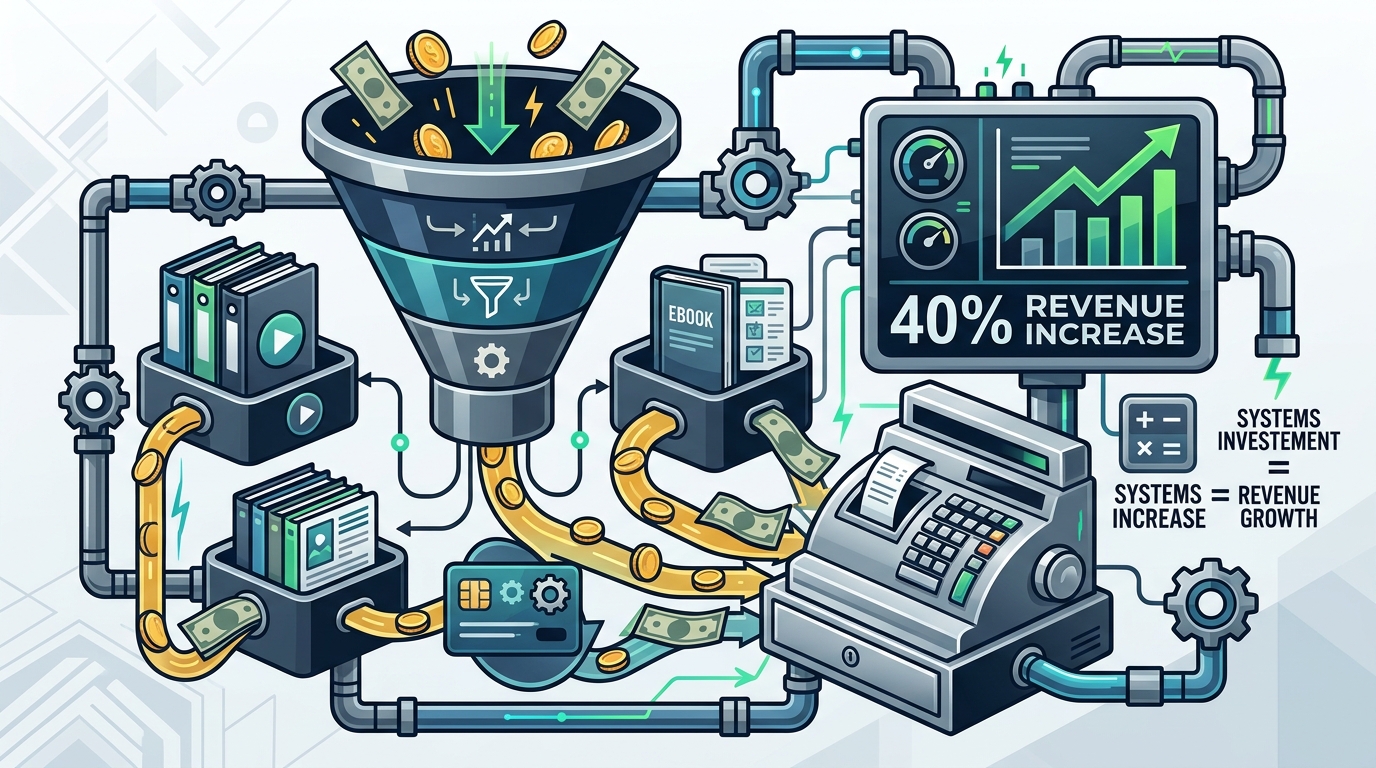
Most creators do not have a content problem. They have a systems problem. According to recent industry analysis on creator economy infrastructure, creators who invest in backend automation see a 40% increase in net revenue within the first year of implementation. This statistic highlights a critical shift in the digital landscape. Attention alone no longer guarantees financial stability. Without clean digital infrastructure, monetization becomes messy, disjointed, and unsustainable. The cost to fix this varies significantly based on complexity, but the return on investment is undeniable for serious brands.
Why Backend Costs Vary Wildly
When asking how much it costs to set up professional backend systems, the answer depends entirely on your current operational chaos. A creator with a simple email list needs vastly different infrastructure than a course creator managing thousands of students. The cost is not just about software subscriptions. It is about the architecture that connects them.
Scattered tools are the primary enemy of scalability. Your links, files, offers, and workflows are spread everywhere. This fragmentation creates operational drag. When you are creating, replying, managing, and selling all at the same time, you cannot scale. Professional backend systems consolidate these elements into a cohesive engine. The investment required to achieve this clarity ranges from a few thousand dollars for basic setups to tens of thousands for enterprise-grade automation.
Core Infrastructure Components
To understand the total cost, you must break down the components that make up a professional creator backend. These are not optional extras. They are the foundation of a serious brand.
1. Digital Product Infrastructure
Digital product infrastructure is the organized delivery system for your assets and customer experience. This includes your course hosting platform, membership site, or digital download portal. Costs here range from $29 to $299 per month depending on the platform. However, the setup cost involves configuring the user journey, ensuring seamless access, and integrating payment gateways. A poorly configured product page can lose up to 30% of potential sales due to friction.
2. Backend Operations Setup
Backend operations setup streamlines your workflows, automations, and tools. This is where the real value lies. It involves connecting your CRM, email marketing platform, and calendar scheduling tools. If you are using Zapier or Make.com to automate these connections, you will pay per task or per workflow. For high-volume creators, these costs can exceed $100 monthly. The setup fee for a professional to architect these connections typically ranges from $1,500 to $5,000 depending on complexity.
3. Brand & Offer Positioning
Brand & offer positioning clarifies your messaging and positions your offer so it reads professional from the first touch. This is often overlooked in cost calculations. A professional landing page, sales copy, and visual identity are essential. While you can DIY this, the cost of a professional designer and copywriter can range from $2,000 to $10,000. This is a one-time investment that pays for itself in higher conversion rates.
Understanding Pricing Models
When you engage a partner like BlackTierOps to build your backend, you will encounter different pricing structures. Understanding these helps you budget accurately.
| Service Type | Typical Cost Range | Best For |
|---|---|---|
| Basic Audit & Organization | $500 - $1,500 | Creators with scattered tools needing clarity |
| Full Backend Setup | $3,000 - $8,000 | Creators ready to launch or scale offers |
| Monthly Retainer | $1,000 - $3,000/mo | Ongoing optimization and support |
| Enterprise Custom Systems | $10,000+ | High-volume brands with complex needs |
These figures are industry standards for professional service providers. They reflect the time and expertise required to build systems that do not break under pressure. DIY solutions may seem cheaper initially, but the cost of fixing broken automations later is often double the initial setup fee.
Hidden Costs Creators Ignore
Beyond the direct service fees, there are hidden costs that can derail your budget. These are often the reason creators fail to scale.
Software Subscription Creep: Many creators use five or more different tools. Each tool has a monthly fee. When you add them up, the cost can reach $500 to $1,000 monthly. A professional backend setup often consolidates these tools, reducing the monthly burn rate while increasing functionality.
Time Opportunity Cost: Every hour you spend troubleshooting a broken Zap or updating a spreadsheet is an hour you are not creating content or engaging with your audience. According to data from the Forbes Creator Economy reports, creators spend an average of 15 hours per week on administrative tasks. This is a massive drain on productivity. The cost of this lost time is far greater than any service fee.
Security and Compliance: As you grow, data privacy becomes critical. Ensuring your systems comply with GDPR or CCPA requires technical expertise. Non-compliance can result in fines that dwarf your entire backend budget. Professional setup includes these safeguards from day one.
The ROI of Professional Systems
Investing in professional backend systems is not an expense. It is a strategic investment. The return on investment comes from three main areas: increased conversion rates, reduced operational time, and scalable growth.
When your offers are clear and your delivery is seamless, customers buy more easily. A professional backend removes friction. This leads to higher average order values and repeat purchases. According to HubSpot's marketing benchmarks, businesses with integrated marketing systems see a 24% increase in revenue growth compared to those without.
Furthermore, professional systems allow you to delegate. Once your backend is built, you can hire virtual assistants to manage day-to-day operations. This frees you to focus on high-level strategy and content creation. The ability to scale without proportional increases in workload is the ultimate goal of any serious creator.
Key Takeaways
- Backend Complexity Dictates Cost: Simple setups start around $1,500, while complex enterprise systems can exceed $10,000.
- Software Costs Add Up: Expect $500 to $1,000 monthly in tool subscriptions for a fully integrated stack.
- Time is the Biggest Cost: Creators spend an average of 15 hours weekly on admin tasks, which is a significant opportunity cost.
- ROI is Measurable: Integrated systems can lead to a 24% increase in revenue growth according to industry benchmarks.
- DIY Has Limits: While initial costs are lower, broken automations and lost sales often make DIY more expensive long-term.
- Security is Non-Negotiable: Professional setup includes compliance safeguards that protect your brand from legal risks.
- Scalability Requires Structure: You cannot scale chaos. Professional systems provide the foundation for exponential growth.
Frequently Asked Questions
How long does it take to set up professional backend systems?
Typically, a full backend setup takes between 2 to 4 weeks. This includes the audit, organization, and implementation phases. Complex enterprise systems may take longer depending on the number of integrations required.
Can I build my own backend systems for free?
While you can use free tiers of various tools, building a professional, scalable system usually requires paid tools and technical expertise. The cost of errors and lost time often outweighs the savings of a DIY approach.
What is the difference between a backend audit and a full setup?
A backend audit identifies your current inefficiencies and provides a roadmap for improvement. A full setup involves the actual implementation of the systems, integrations, and automations recommended in the audit.
Do I need a monthly retainer for my backend systems?
Not necessarily. However, a monthly retainer ensures your systems stay optimized as your business grows. It also provides support for troubleshooting and minor adjustments without additional setup fees.
How do I know if my current backend is costing me money?
If you are spending more than 10 hours a week on admin tasks, or if you are losing sales due to technical errors, your backend is costing you money. A professional audit can quantify this loss.
What tools are typically used in a professional creator backend?
Common tools include CRM platforms like HubSpot or GoHighLevel, email marketing software like ConvertKit or ActiveCampaign, and automation tools like Zapier or Make. The specific stack depends on your needs.
Is backend setup a one-time cost?
The initial setup is a one-time cost. However, ongoing software subscriptions and potential maintenance or optimization services are recurring expenses. These are necessary for keeping your systems running smoothly.
Start Your Build
Stop letting scattered tools drain your revenue. The cost of inaction is far higher than the cost of professional setup. BlackTierOps helps creators organize, monetize, and scale through clean digital infrastructure. We build the systems that allow you to focus on what you do best: creating.
Request your Creator Brand Audit today. Let us show you exactly where your money is leaking and how to plug it. Visit our services page to view our systems. Or, check out our process to see how we turn chaos into clean operations. Your serious brand deserves a serious backend.